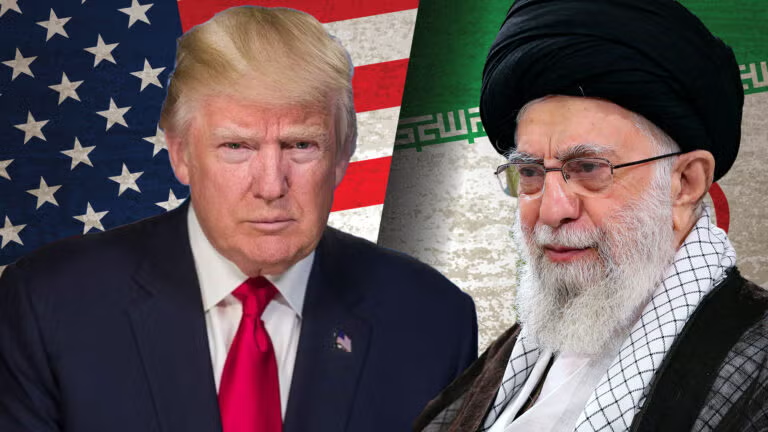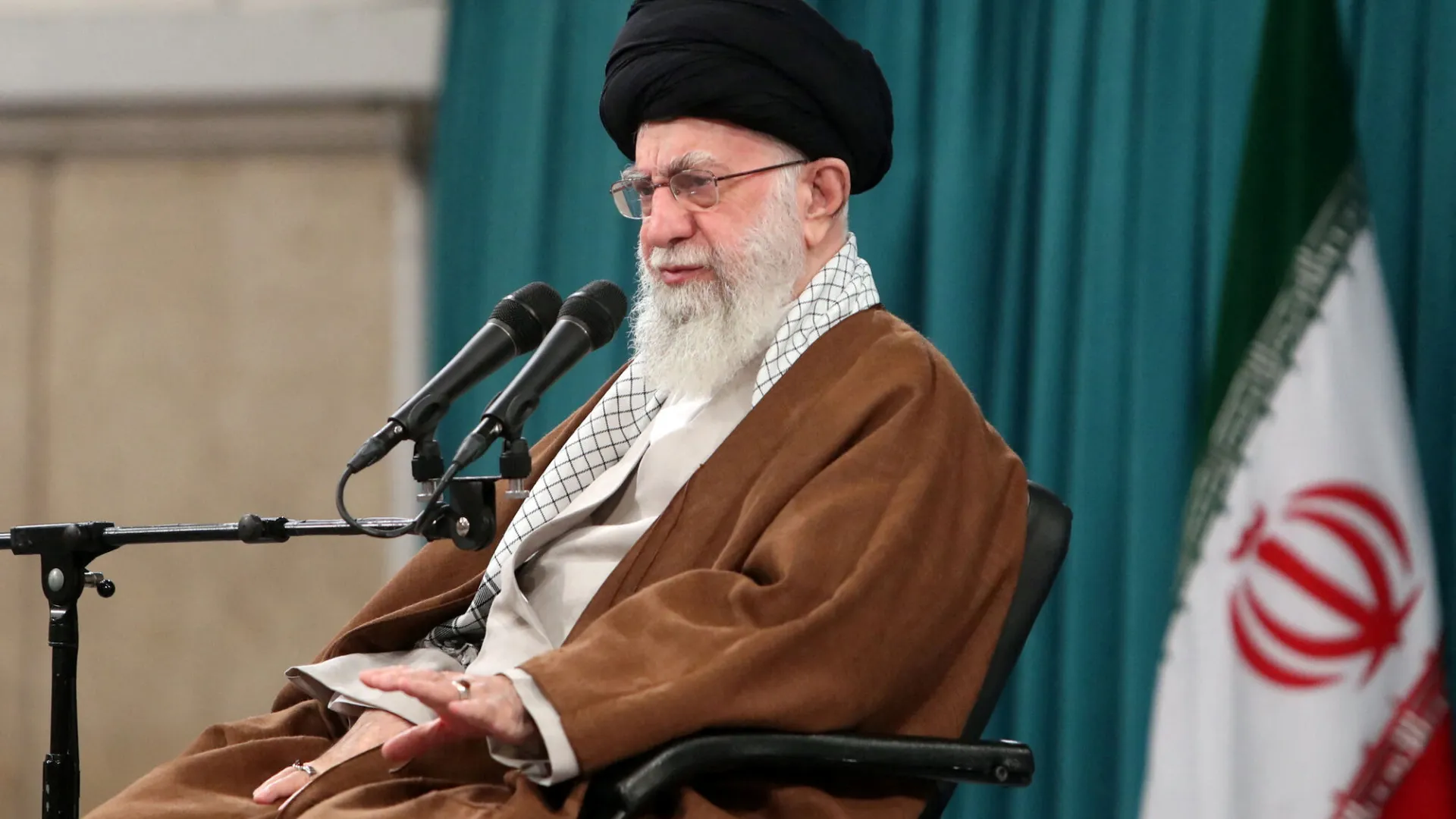

The Iran war continues to escalate even as Donald Trump announces a temporary pause on key strikes. While diplomatic efforts gain momentum, ongoing attacks and conflicting claims from Tehran keep the region on edge.
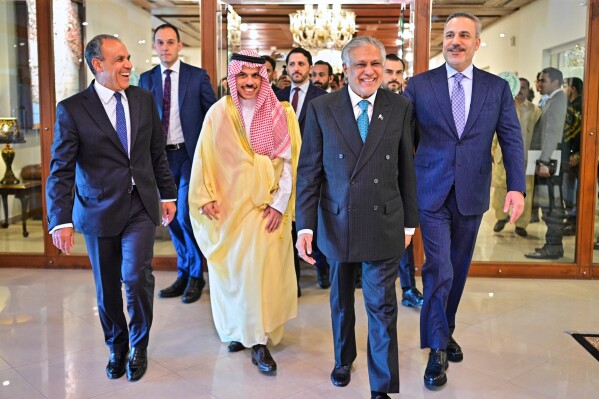
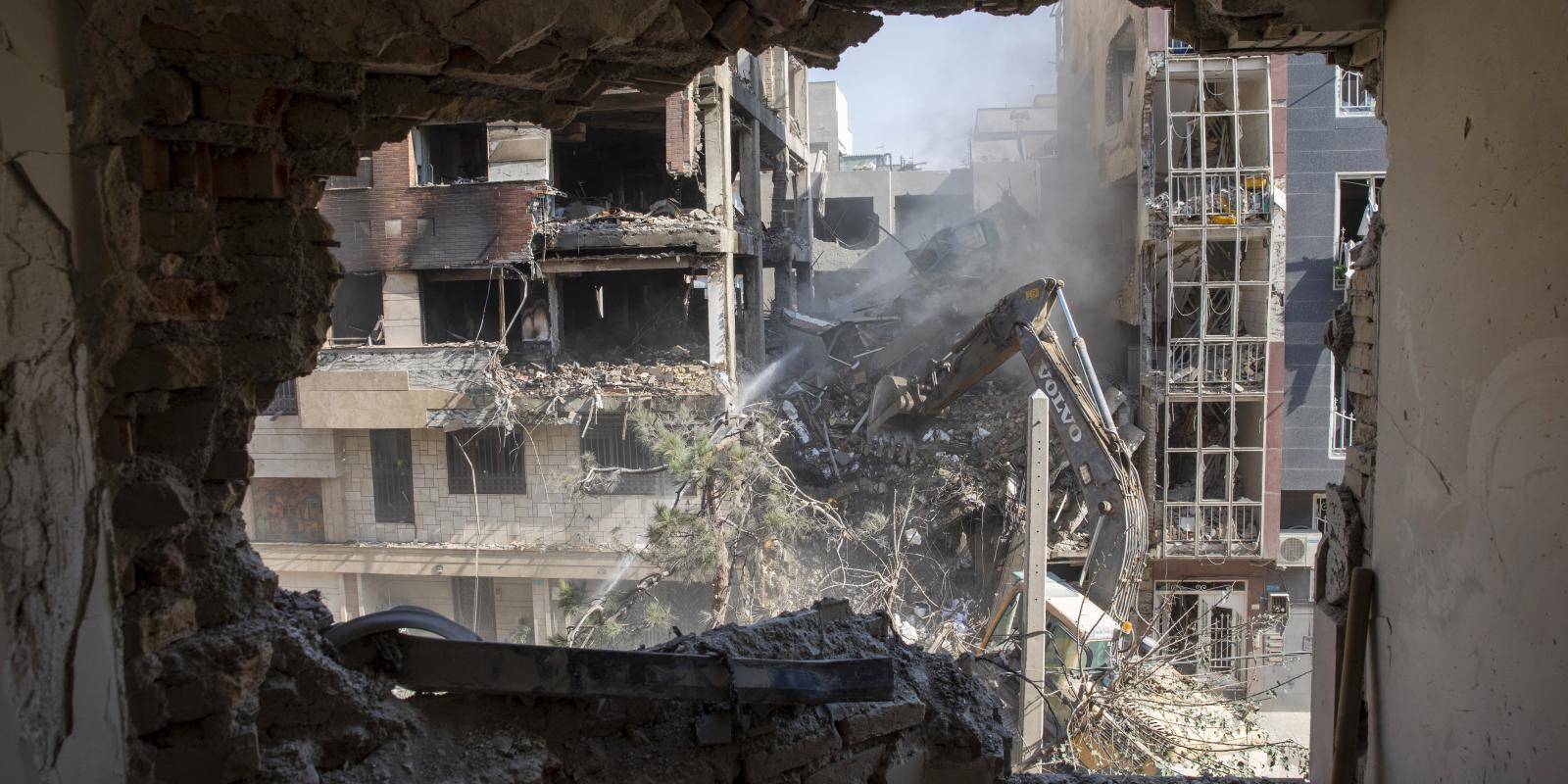
The ongoing conflict involving the United States, Israel, and Iran has entered a highly volatile phase, marked by simultaneous military escalation and fragile diplomatic signals. Despite recent announcements of a temporary pause in certain US strikes, the situation on the ground remains tense, with no clear resolution in sight. US President Donald Trump has delayed planned attacks on Iran’s critical energy infrastructure, signaling a potential shift toward diplomacy. The move comes amid claims of “productive” backchannel discussions aimed at ending the war, though Tehran has publicly denied any formal negotiations. The pause is being interpreted as a strategic attempt to create space for negotiations. Reports indicate that a detailed peace framework, possibly including conditions around Iran’s nuclear program and regional influence, has been conveyed through intermediaries such as Pakistan and Turkey. However, the reality on the battlefield tells a different story. Israeli forces have intensified their operations, launching fresh airstrikes targeting military infrastructure in Tehran and other regions. These strikes have caused widespread damage and casualties, highlighting that military activity continues despite diplomatic overtures. The conflict itself began in late February 2026, when coordinated US–Israeli strikes targeted Iranian facilities, triggering a large-scale retaliation from Tehran. Since then, the region has witnessed continuous missile attacks, drone strikes, and escalating proxy conflicts across multiple countries. Iran, on its part, has maintained a firm stance, rejecting claims of negotiations and demanding conditions such as a halt to attacks and compensation for damages before any talks can proceed. This disconnect between public statements and diplomatic signals has created confusion in global markets and among political observers. Adding to the complexity is the involvement of multiple regional players. Countries like Turkey, Pakistan, and Egypt are actively trying to mediate between the two sides, offering to host peace talks. Meanwhile, Israel continues to assert its right to act independently, even as the US explores diplomatic options. The war has also had a significant impact on global stability. Energy markets have been particularly sensitive, with disruptions in the Strait of Hormuz threatening oil supplies worldwide. Investors and governments alike are closely monitoring developments, as any escalation could trigger a broader economic shock. Another major concern is the humanitarian impact. Reports suggest rising casualties and damage to civilian infrastructure, underscoring the human cost of the conflict. Despite international calls for restraint, both sides continue to engage in aggressive military actions. For now, the temporary pause announced by the US offers a narrow window for diplomacy. However, with ongoing strikes and conflicting narratives, the path to peace remains uncertain. The coming days will be crucial in determining whether this pause leads to meaningful negotiations or simply delays further escalation.