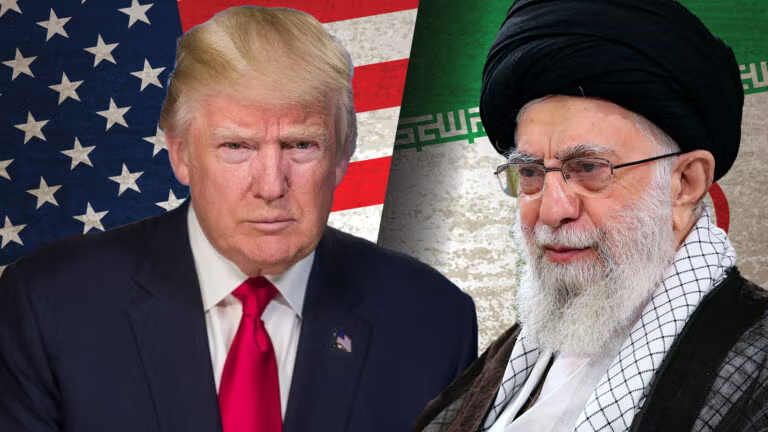

The Iran conflict has reached a decisive moment as the Strait of Hormuz shows signs of reopening and the US signals a temporary pause in military escalation. However, rising casualties, global oil risks, and ongoing strikes keep the situation highly volatile.
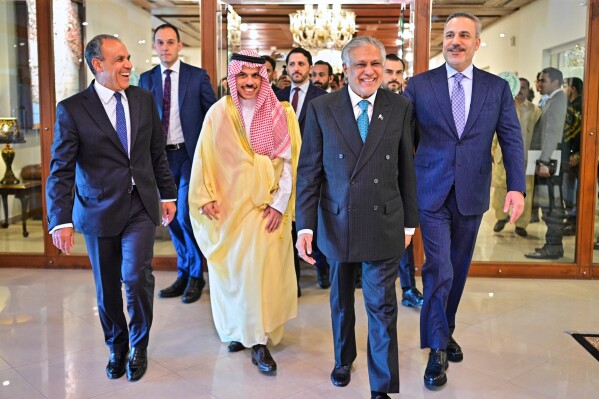
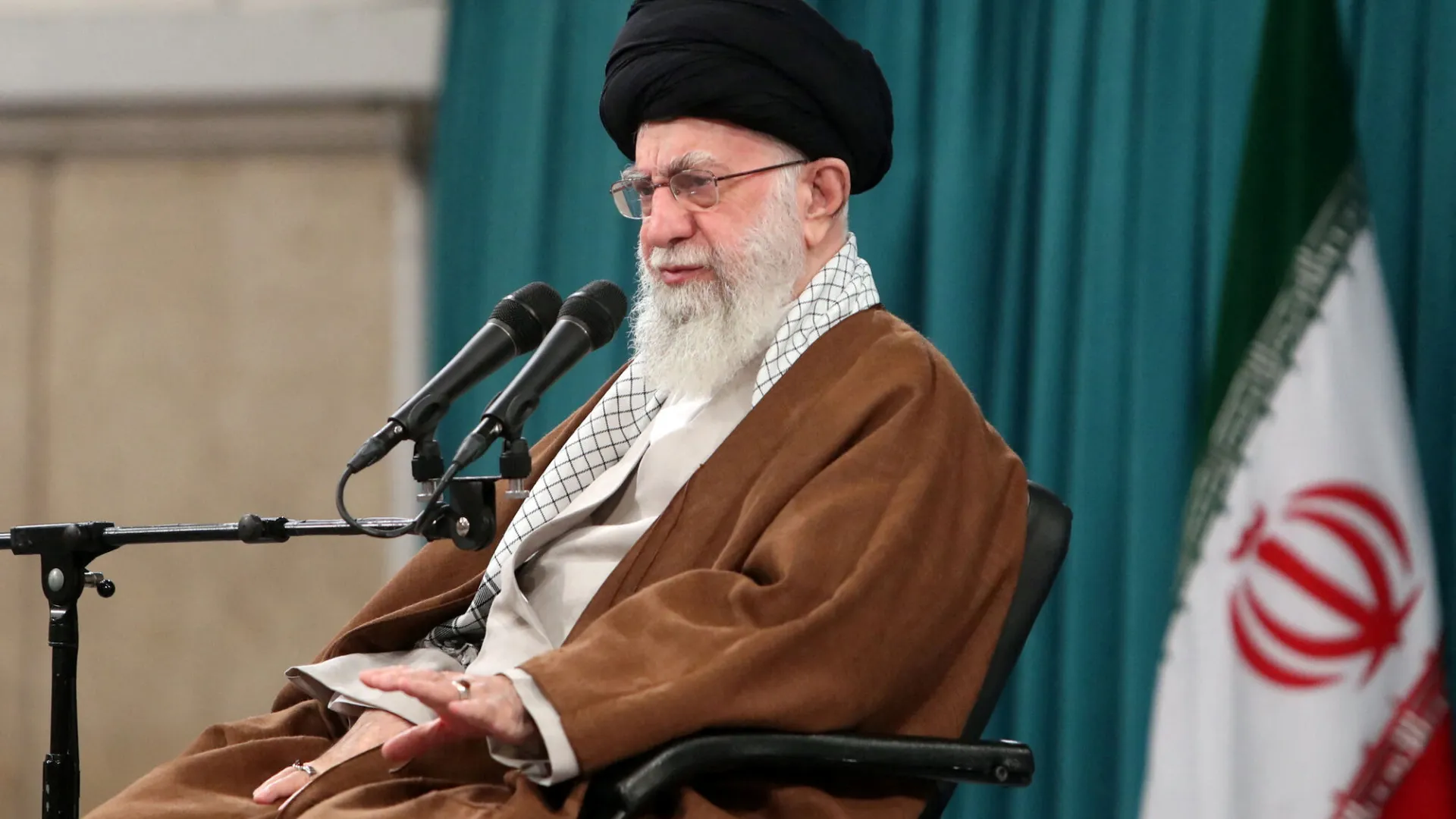
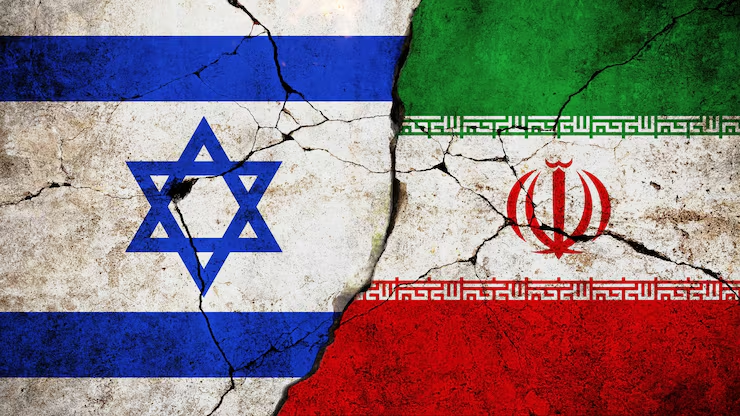
The ongoing Iran conflict has entered a highly sensitive phase, with a mix of military escalation, diplomatic signaling, and global economic uncertainty shaping the current situation. While recent developments suggest a temporary easing of tensions, the broader conflict remains far from resolved. One of the most critical updates comes from the Strait of Hormuz — a vital global oil transit route that handles nearly 20% of the world’s crude supply. After weeks of disruption and near-total shutdown, Iran has now indicated that “non-hostile vessels” may be allowed to pass through the strait again. This move is being seen as a partial de-escalation, especially after earlier threats by Tehran to completely block the waterway in response to potential US strikes. The closure had already triggered massive disruption in global shipping, with tanker movement collapsing and oil prices surging past $100 per barrel during peak tensions. At the same time, US President Donald Trump has announced a temporary pause in further military strikes against Iran’s energy infrastructure. The decision came after intense pressure from Gulf nations and global allies, who warned that escalation could lead to catastrophic consequences across the region. The pause is widely interpreted as a strategic shift from direct confrontation toward possible negotiations. Reports suggest that backchannel talks are underway, with intermediaries such as regional powers attempting to broker a ceasefire or at least reduce hostilities. However, the situation on the ground tells a more complex story. Military operations continue across multiple fronts, including airstrikes, missile attacks, and proxy conflicts involving regional groups. Casualty numbers are steadily rising, with reports indicating thousands killed across Iran and neighboring regions since the conflict began. The conflict itself traces back to late February, when coordinated strikes by the United States and Israel targeted Iranian assets, triggering a broader war. Since then, the region has witnessed escalating retaliation, including attacks on military bases, infrastructure, and shipping routes. Global markets are closely watching every development. The Strait of Hormuz crisis has already proven how vulnerable the global economy is to geopolitical shocks. Energy markets, shipping industries, and financial systems have all experienced significant volatility. Despite the reopening signals, experts warn that the situation remains extremely fragile. Iran has imposed conditions on vessel movement, and tensions with US and allied forces remain high. Any miscalculation could quickly lead to renewed escalation. As diplomatic efforts continue behind the scenes, the coming days are expected to be crucial. Whether this temporary pause leads to a lasting resolution or simply delays further conflict will depend on how both sides navigate the next phase of negotiations.