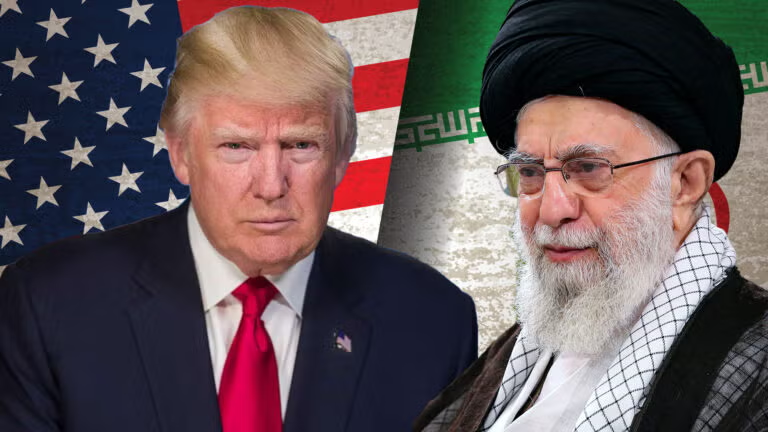

On April 15, 2026, crude oil is swinging violently between fear and hope as the US Navy blockade on Iranian ports holds, a second round of peace talks appears possible within days, Iran rejected a US 20-year nuclear freeze offer, and a US destroyer physically stopped two tankers from leaving Iran. Here is the full picture what changed overnight and what it means for the world
The oil price is a war diary and right now it is written in panic ink
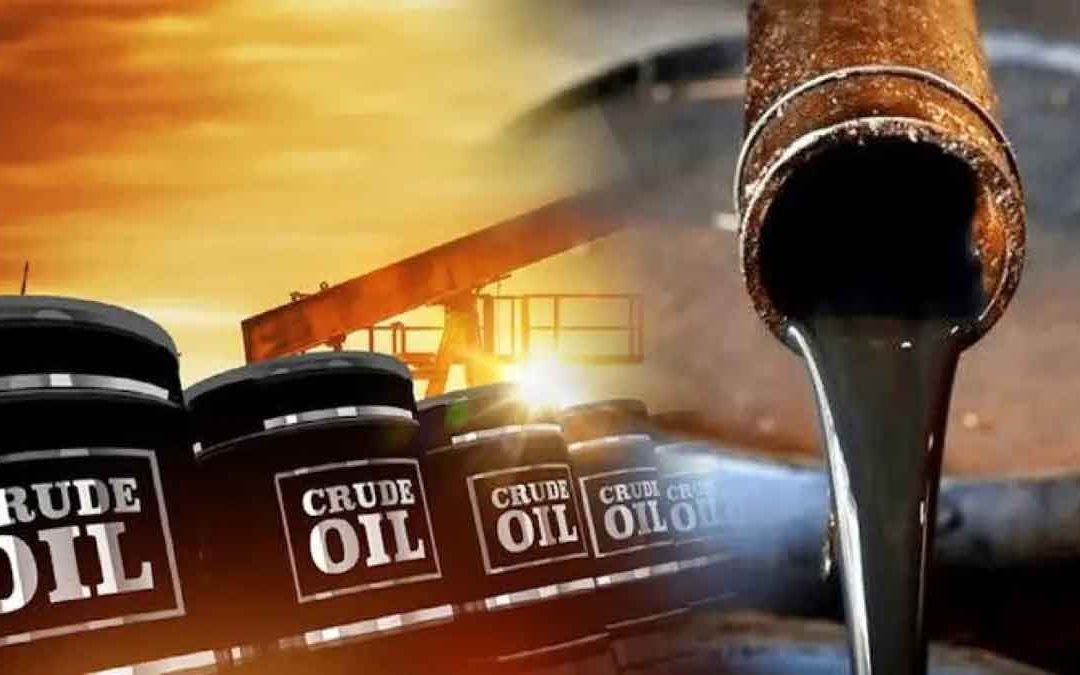
Tokyo / Washington, April 15, 2026 If you want to understand the Iran war without reading a single military briefing, just watch the oil price. On Sunday April 12, when talks in Islamabad collapsed and Trump announced a naval blockade, Brent crude spiked to $102 a barrel and US crude hit $104. By Tuesday April 14, when whispers of a second round of talks began circulating, Brent had fallen back to $94.79 and WTI had crashed nearly 8 percent to settle at $91.28. And on April 15 today Brent has ticked up 0.4 percent to around $95.19 while WTI is essentially flat at $91.05. The market is not sure what to believe. Neither is anyone else.
What is driving this whiplash is a conflict that has entered its most unpredictable phase yet. The ceasefire, brokered by Pakistan on April 8, is officially still holding but it expires on April 21, less than a week away. The US Navy blockade of all Iranian ports, which began on April 13, is actively running. A US destroyer has already physically intercepted two oil tankers attempting to leave Iran. The Strait of Hormuz through which 20 percent of the world's oil normally flows remains at a fraction of its pre-war traffic of 130 or more vessels per day. Refiners around the world are in a scramble. WTI Midland crude, the US benchmark export grade, traded on Tuesday at a record premium of $22.80 per barrel above European prices as buyers in Asia and Europe desperately hunted for alternative supply.
Iran said no to 20 years and that tells you where the real fight is
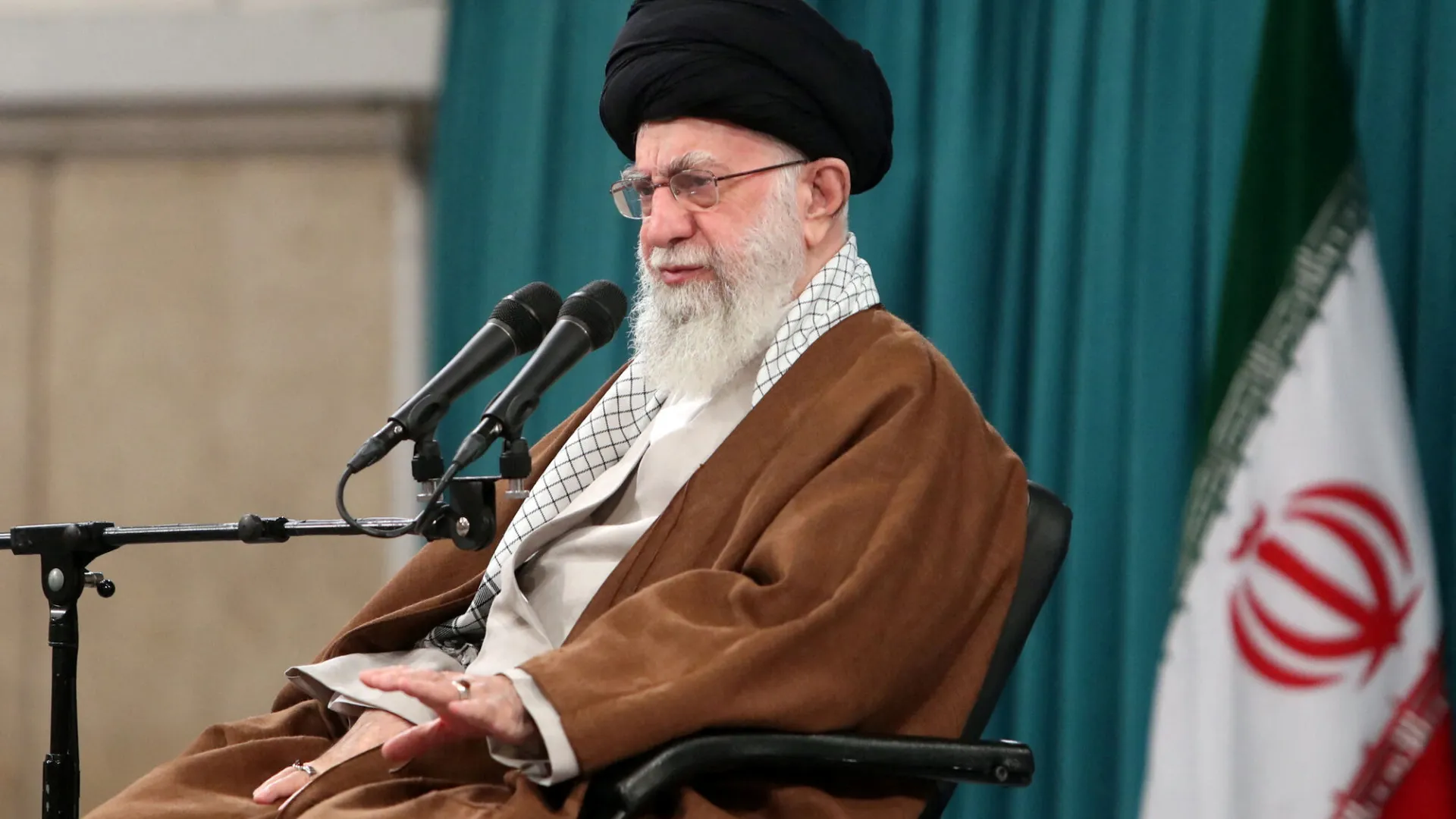
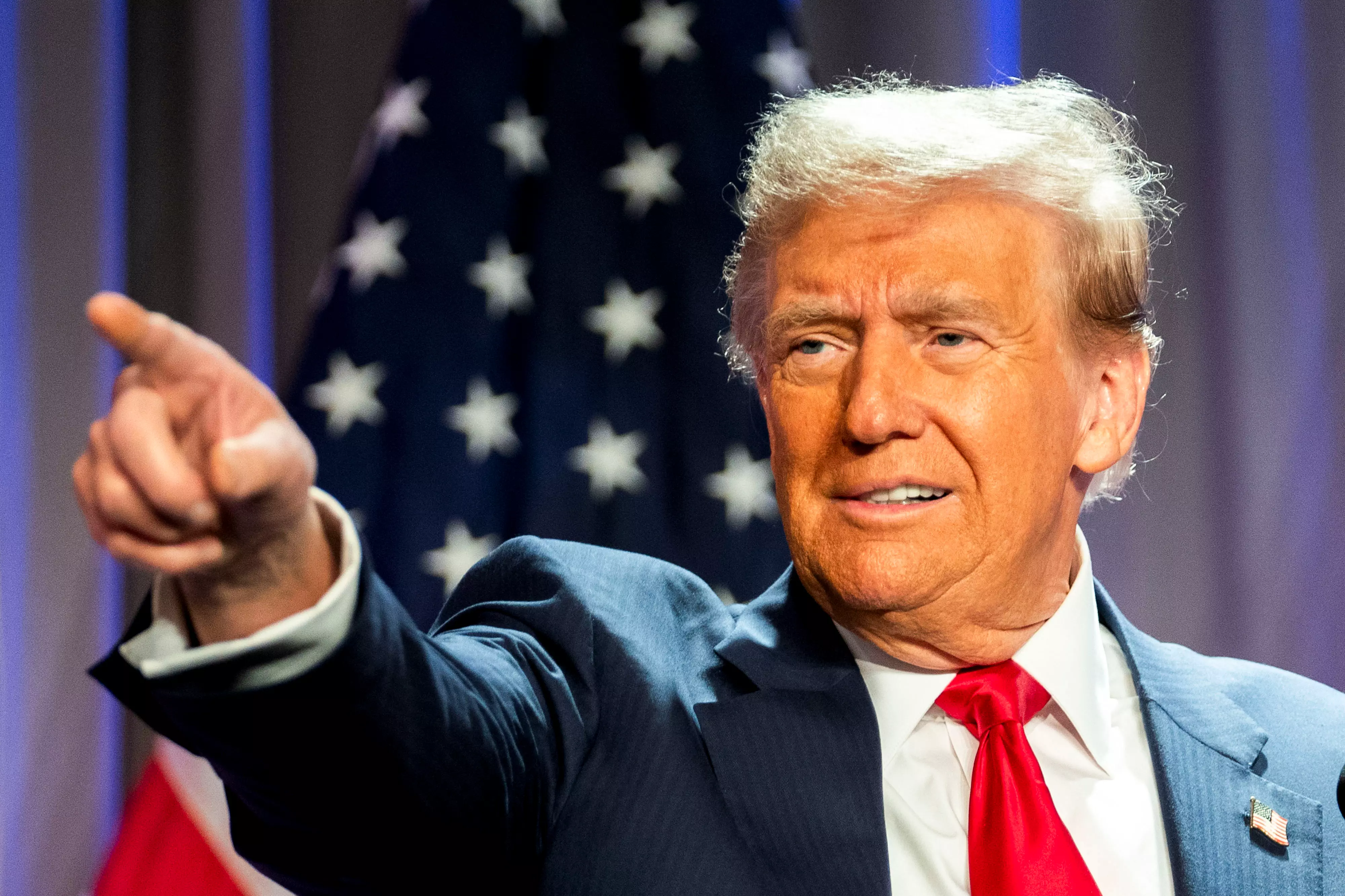
The clearest window into why talks collapsed in Islamabad and why a second round is so difficult to arrange came from a senior US administration official who confirmed on April 14 that Iran flatly rejected Washington's proposal to suspend all nuclear activity for 20 years. Iran's counter-offer: three to five years. Trump has already said that is not acceptable. The US also asked Iran to physically remove its stockpile of highly enriched uranium from the country. Tehran offered a "monitored down-blending process" instead diluting the uranium rather than exporting it. That gap alone is enormous. Add to it Washington's demand for a fully and freely reopened Strait of Hormuz, and Iran's insistence on retaining the right to charge passage tolls, and you have a negotiation where the two sides are arguing about fundamentally different visions of what the end of this war looks like.
Round two is coming but nobody will say exactly when
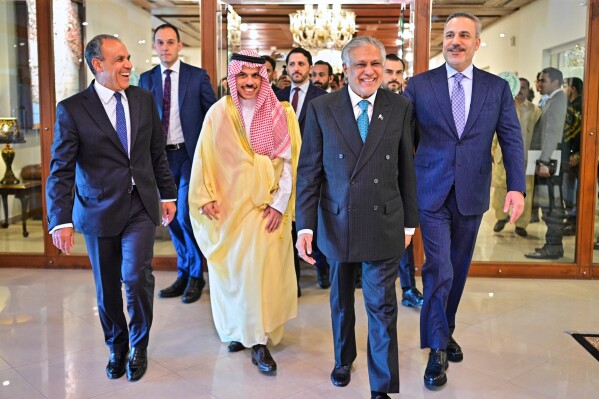
Despite all of that, the diplomatic door has not been fully shut. Trump told the New York Post on April 14 that "something could be happening" in Pakistan within the next two days then called back 30 minutes later to confirm fresh talks were being discussed. The White House said on the same day that "future talks are under discussion but nothing has been scheduled at this time." Pakistan has formally offered to host a second round. Turkey's Foreign Minister Hakan Fidan told state broadcaster Anadolu Agency that if both sides made good progress, a 45 to 60-day extended ceasefire could follow giving negotiators more time before any return to fighting. Vice President JD Vance, who led the first round of talks, has been clear about what the deal needs to include: Iran's enriched uranium must leave the country, and its commitment to never develop a nuclear weapon must be ironclad. Iran's Foreign Minister Araghchi, meanwhile, posted on the day the Islamabad talks ended that his side had been "inches away" from a memorandum of understanding before encountering what he described as "maximalism, shifting goalposts, and blockade."
A food catastrophe is forming quietly in the background
While politicians and generals trade ultimatums, the United Nations food and agriculture agency issued a warning on April 14 that is not getting nearly enough attention: the continued disruption of the Strait of Hormuz is creating supply bottlenecks not just for oil, but for fertiliser and agricultural goods a combination that could push the world toward a food catastrophe. The UN Development Programme has separately estimated that over 32 million people could be pushed into poverty by the war's economic fallout. European markets and Asian stocks rose slightly on April 15 as hopes of renewed talks lifted sentiment Japan's Nikkei climbed early, and Wall Street had closed higher the night before. But the physical reality on the water has not changed. The strait is still largely closed. The blockade is still enforced. Iran's IRGC has warned of "new methods of warfare" it has not yet deployed. And the ceasefire that everyone is counting on runs out in six days. On April 15, the war is neither over nor resuming it is holding its breath.
What to watch in the next 72 hours
Three things will determine which direction this goes: whether a second round of US-Iran talks is confirmed and where they happen; whether Iran takes any action to reopen the Strait or further tighten it in response to the blockade; and whether the ceasefire holds past its April 21 deadline. If even one of those goes wrong, the oil price currently at $95 a barrel has every reason to spike back past $100 again, taking global inflation, food prices, and shipping costs with it.