
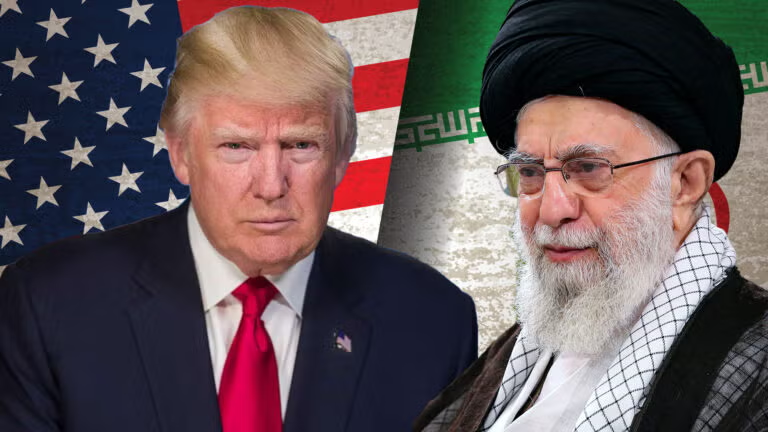
In a single day on April 17, 2026, three events reshaped the Middle East war: a 10-day Israel-Lebanon ceasefire went into effect, Iran's Foreign Minister declared the Strait of Hormuz completely open for commercial shipping, and oil prices crashed more than 10 percent. But Trump's naval blockade stays in place, Israeli troops remain in Lebanon, and Hezbollah's finger is still on the trigger. Here is everything that happened — and why it is more fragile than it looks.
Gunshots rang out across Beirut at midnight and this time, they were celebrating
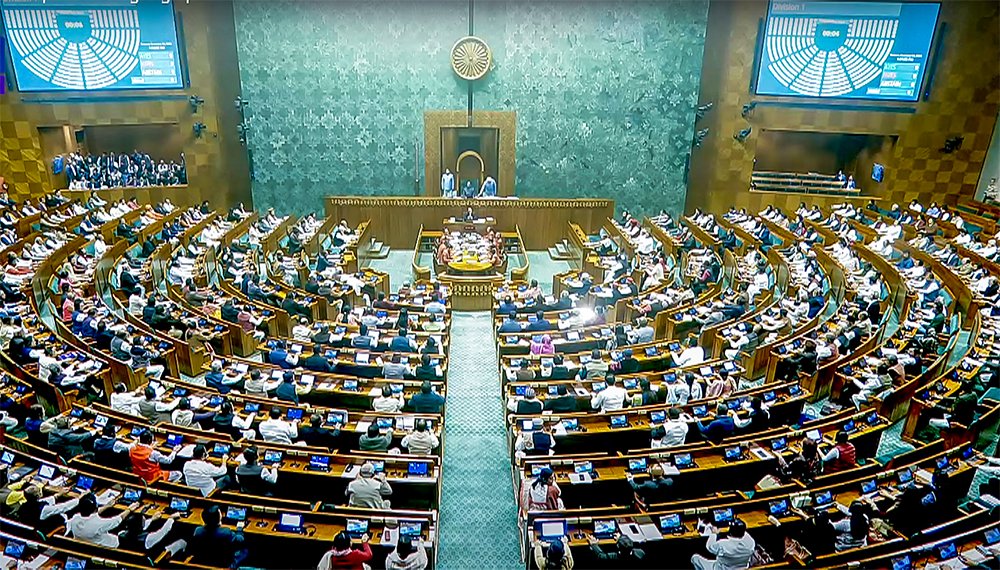
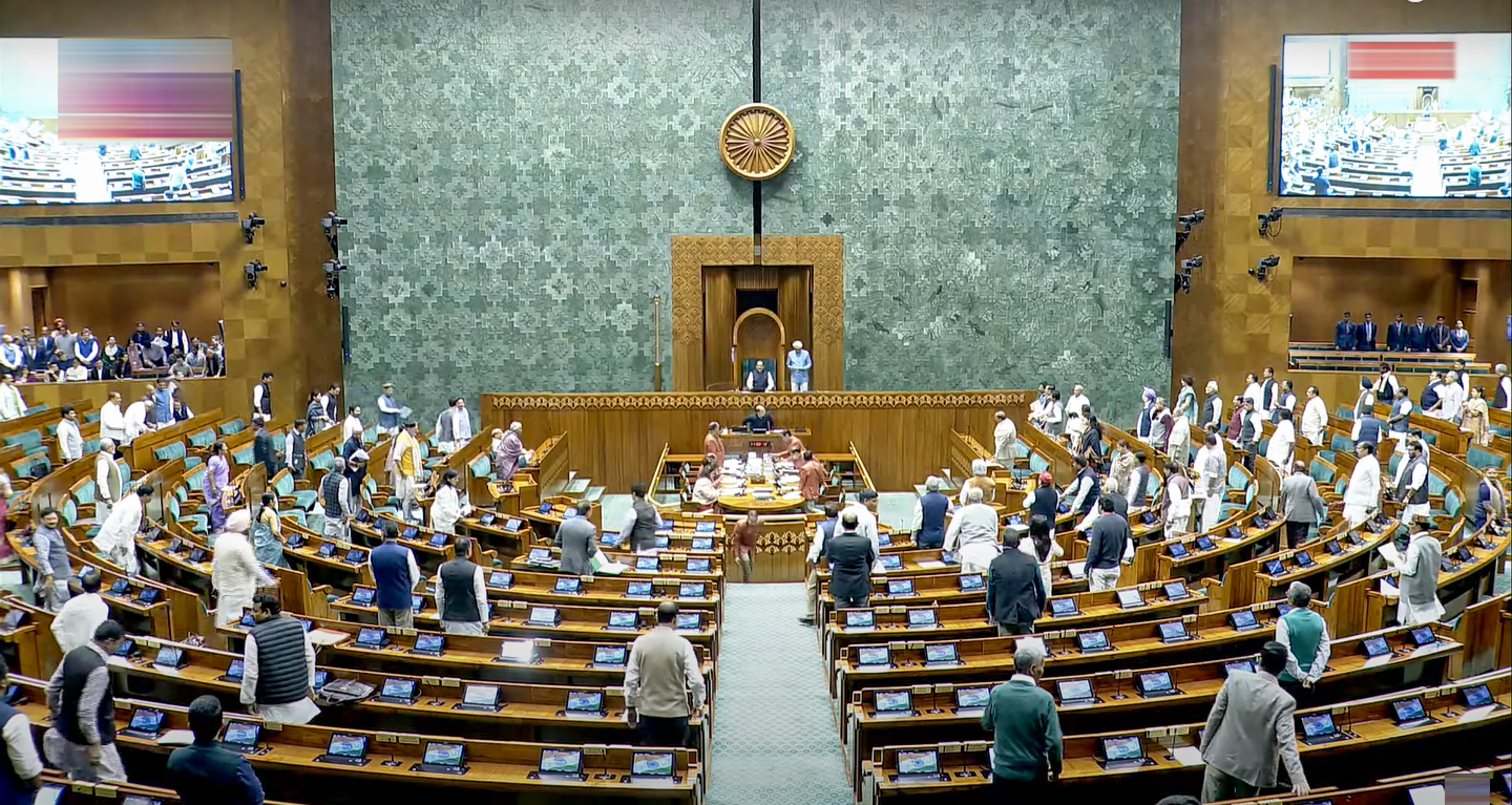
Beirut / Washington, April 17, 2026 For weeks, the sounds that cut through Beirut's nights were the crack of Israeli airstrikes and the thud of Hezbollah rockets in response. On Thursday night, just after midnight local time, a different kind of noise filled the Lebanese capital: people firing guns into the air in celebration, and fireworks streaking across the skyline above the southern suburbs. A 10-day ceasefire between Israel and Lebanon had just taken effect at 5 PM Eastern Time on April 17 and for the over one million Lebanese who had been displaced from their homes since the Israel-Hezbollah fighting began, it felt like the first real breath of relief in weeks.
Trump announced the deal in a Truth Social post, writing that he had spoken with Lebanese President Joseph Aoun and Israeli Prime Minister Benjamin Netanyahu, and that both leaders had agreed to begin a formal 10-day ceasefire. The US State Department confirmed the terms: Israel and Lebanon commit to "engaging in good-faith direct negotiations, facilitated by the United States, with the objective of achieving a comprehensive agreement that ensures lasting security, stability, and peace." The initial 10-day window can be extended by mutual agreement if both sides show progress. JD Vance, who played a critical role behind the scenes, is credited by a senior US administration official with having pushed Israel for days to be "more careful" in Lebanon, believing that ending the killing there was essential to reducing broader regional tensions.
Iran's bombshell move the Strait of Hormuz declared open
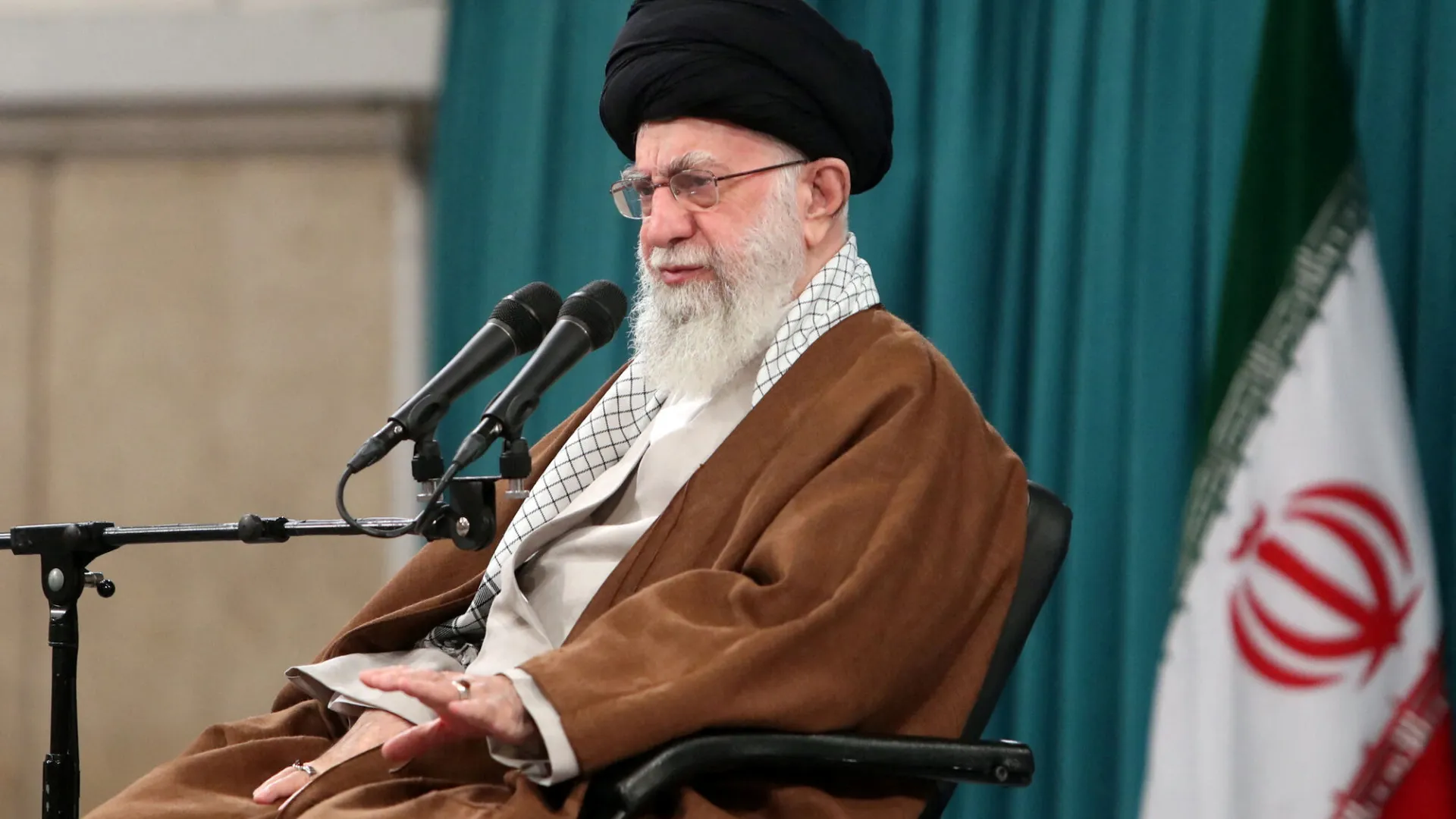
Then came the development that moved markets around the world. Iranian Foreign Minister Abbas Araghchi posted on X on April 17 that the Strait of Hormuz was "declared completely open" for all commercial vessels for the remaining period of the ceasefire. Ships would need to use a coordinated route as already announced by Iran's Ports and Maritime Organisation, he said but for the first time since the war began on February 28, the waterway that carries roughly 20 percent of the world's traded oil was technically open again. Markets responded immediately. Oil prices tumbled more than 10 percent. Global stock indices surged. The fear premium that had been baked into energy markets for weeks began unwinding in hours. ING analysts noted that expectations of a possible two-week ceasefire extension between the US and Iran were also driving oil lower, though they warned that the physical market remained tight — an estimated 13 million barrels per day of supply had been disrupted, and mines in the strait still pose a real danger to shipping.
Trump says the blockade stays and that is a deliberate choice
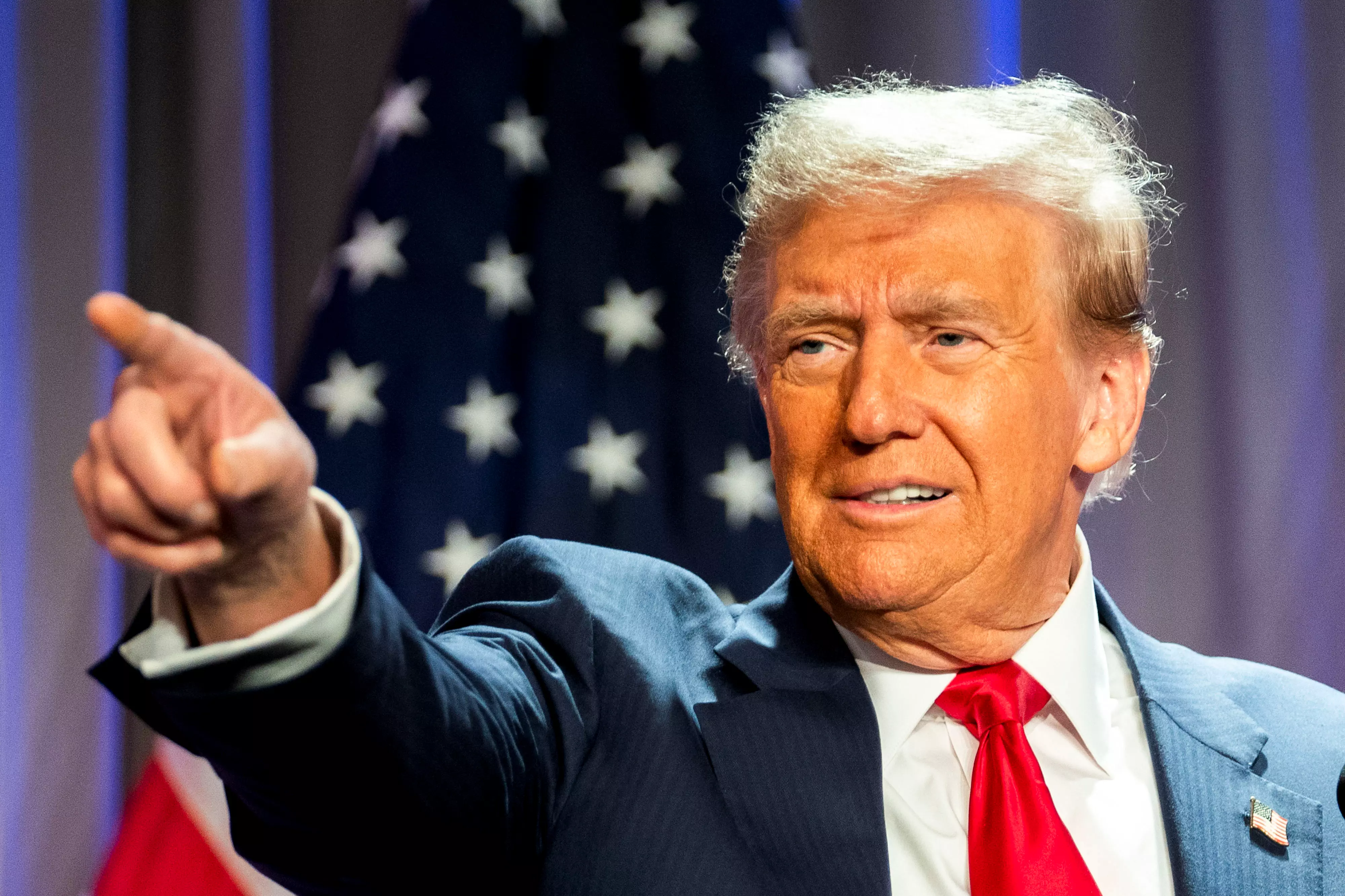
Here is the part of April 17 that gets lost in the good-news wave: the US naval blockade of all Iranian ports is still fully in effect. Trump made that explicit, thanking Iran for opening the Strait but stating clearly that the blockade "will remain in full force" until a permanent peace deal is signed. Negotiations, he said, "should go very quickly." This is a calculated pressure tactic. By keeping the blockade running even as Iran opens the Strait, the US retains its biggest economic lever over Tehran going into the next round of talks. The message is unmistakable: Iran has made a gesture, but it is not enough. The blockade lifts only when there is a deal not when there is a ceasefire.
Israel's fine print troops staying, Hezbollah's finger on the trigger
The Lebanon ceasefire has its own fault lines that could crack quickly. Netanyahu confirmed Israel agreed to the 10-day pause but made clear that Israeli forces would not withdraw from southern Lebanon — a key demand Hezbollah has set as its condition for fully honoring any truce. Israeli Defence Minister Israel Katz said the assault on Lebanon had "not yet been completed" and that the IDF would hold every area it had captured. The Lebanese army recorded multiple ceasefire violations by Israel in the hours after the truce went into effect, reporting intermittent shelling in southern villages. Meanwhile, Hezbollah released a statement saying its fighters' "fingers remain on the trigger, vigilant against the enemy's treachery." French President Emmanuel Macron, who publicly welcomed the ceasefire, also warned it could already be "undermined" by continued military activity on the ground. US Ambassador Tom Barrack called the ceasefire "delicate," saying bluntly: "Will the ceasefire stick? It's baby steps."
Pakistan is running a quiet but critical diplomatic marathon
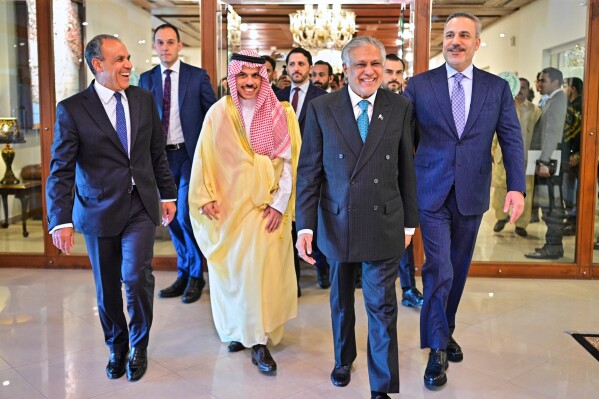
Behind all the dramatic announcements sits a Pakistani diplomatic effort that is moving faster than most people realise. Prime Minister Shehbaz Sharif visited Saudi Arabia and Qatar on April 16, briefing Crown Prince Mohammed bin Salman on Pakistan's mediation efforts. Pakistan's Army Chief Field Marshal Asim Munir separately traveled to Iran. Pakistani officials are now expected to travel to Washington to arrange the next round of US-Iran direct talks talks that Trump has described as likely to yield "amazing" results and that could happen within days. What gives April 17 its historical weight is not just the headline events it is the fact that for the first time in 48 days of war, the dominant mood in multiple capitals is cautious hope rather than active escalation. The Strait is open. Lebanon is quiet. The deal is not here yet. But today, for the first time, it is closer than it has ever been.