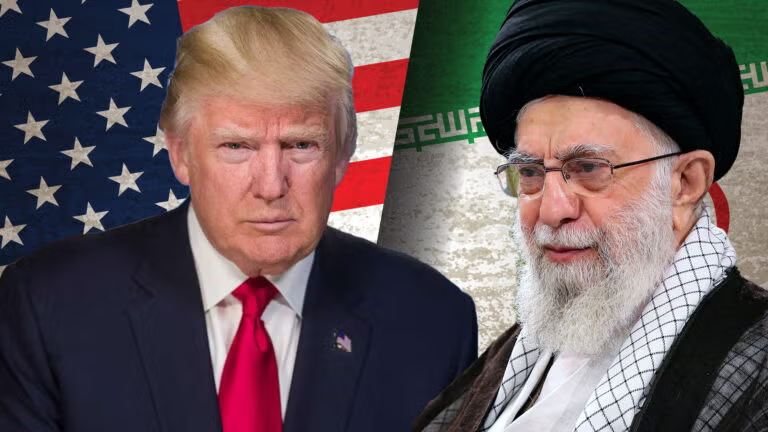

Iran has allowed ships from “friendly nations” like India to pass through the Strait of Hormuz despite ongoing war tensions. While this move offers relief to global energy markets, restrictions on Western vessels highlight deep geopolitical divisions.
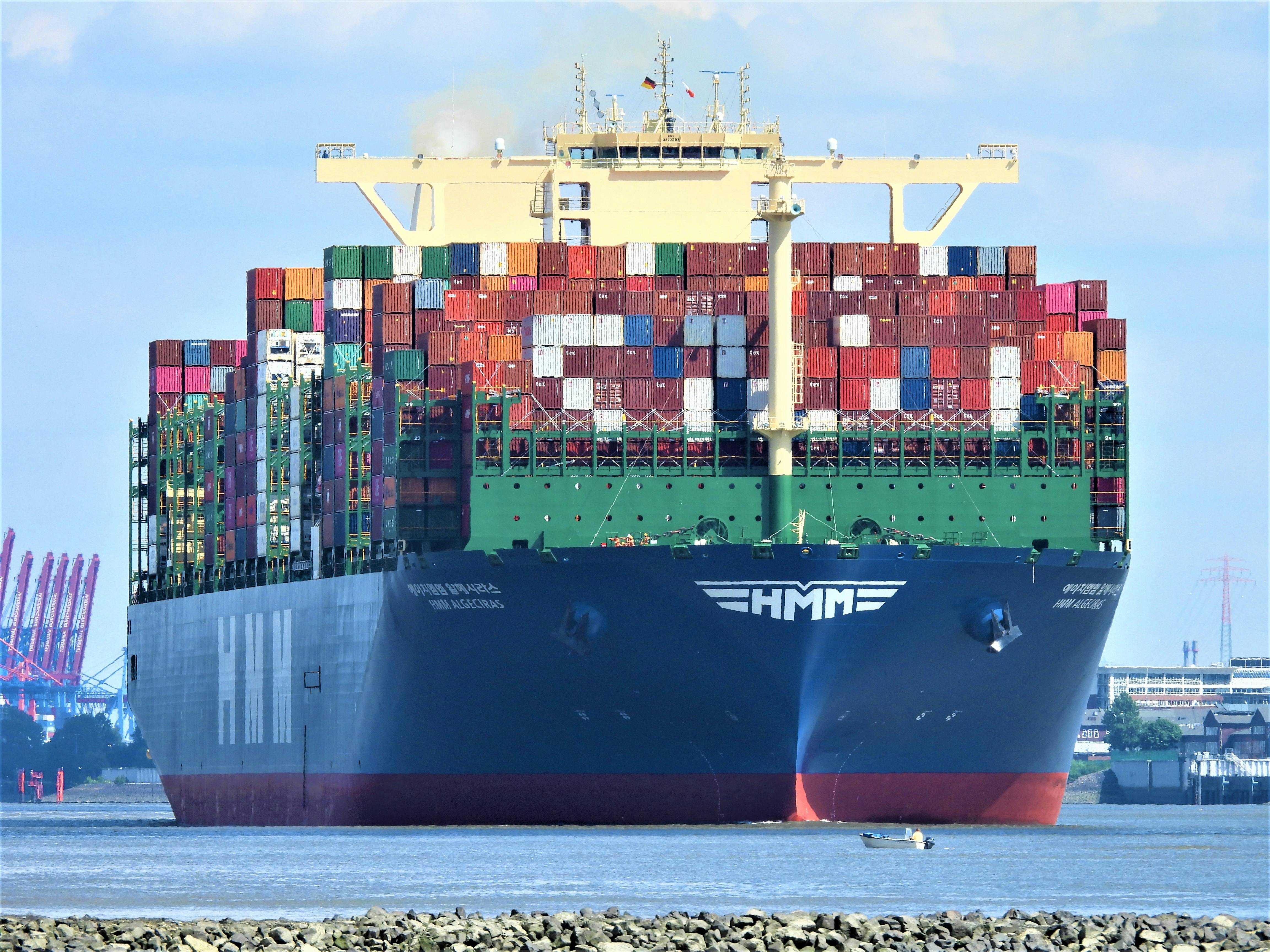
In a significant development amid escalating Middle East tensions, Iran has announced that it will allow ships from select “friendly nations,” including India, to pass through the strategically crucial Strait of Hormuz. The move comes as global markets remain on edge due to ongoing military conflict involving the United States and Israel.The Strait of Hormuz, one of the world’s most critical energy chokepoints, has been at the center of the crisis since the outbreak of hostilities in late February 2026. At the height of tensions, Iran effectively restricted maritime movement through the strait, causing major disruptions to global oil and gas supply chains.Now, in a calibrated shift, Tehran has clarified that vessels belonging to countries it considers friendly—such as India, China, Russia, Iraq, and Pakistan—will be allowed safe passage. This selective reopening is being viewed as both an economic necessity and a geopolitical signal.
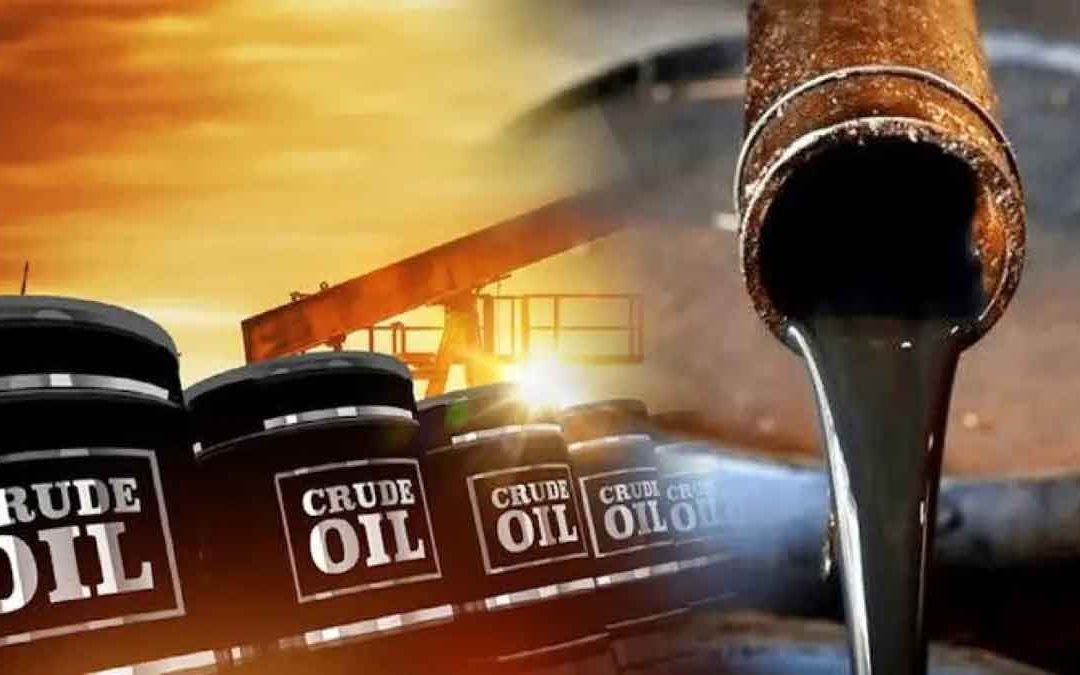
For India, the decision carries major implications. Nearly 90% of India’s crude oil and a significant portion of its LPG imports pass through the Strait of Hormuz, making uninterrupted access critical for energy security. The easing of restrictions could help stabilize domestic fuel supplies and reduce pressure on prices.However, the move is not a full reopening. Iran has made it clear that ships linked to countries it considers adversaries—particularly the United States and Israel—will not be permitted to transit the route. This creates a divided maritime environment, where access to one of the world’s busiest shipping lanes is determined by geopolitical alignment.
The decision also reflects Iran’s broader strategy in the conflict. By allowing selective access, Tehran aims to maintain leverage over global energy markets while avoiding a complete shutdown that could trigger international backlash. The strait handles roughly one-fifth of global oil shipments, making any disruption a major concern for economies worldwide.
Despite the partial easing, risks remain high. Recent weeks have seen multiple incidents involving attacks on commercial vessels, rising insurance costs, and declining shipping traffic. The fragile security situation means that even ships from “friendly nations” face operational challenges while navigating the region.At the same time, diplomatic efforts are intensifying. Countries such as Oman and Turkey are working behind the scenes to ensure safe passage and prevent further escalation. Meanwhile, the United States has signaled a temporary pause in certain military actions, raising hopes for de-escalation.The evolving situation highlights the complex interplay between geopolitics and global trade. While Iran’s decision provides short-term relief, it also underscores how strategic waterways can become powerful tools in international conflicts.
As the war continues, the future of the Strait of Hormuz remains uncertain. Whether this selective access policy evolves into a broader reopening or tightens further will depend on how the conflict unfolds in the coming days.
Iran’s decision to permit ships from India and other friendly nations through the Strait of Hormuz is more than just a logistical adjustment—it is a calculated geopolitical move that could reshape regional dynamics.
Since the conflict began, the Strait of Hormuz has been one of the most heavily contested zones. Iran initially imposed strict controls, warning that no ships could safely pass without its approval. Over time, however, selective exemptions began to emerge, allowing certain vessels to transit under specific conditions.This evolving policy reflects Tehran’s attempt to strike a balance between asserting control and avoiding total economic isolation. By granting access to key partners like India and China, Iran ensures continued trade flows and strengthens ties with countries that have maintained relatively neutral or supportive positions.
For India, the development comes as a crucial relief. The country has been grappling with energy supply concerns and rising fuel costs due to disruptions in the region. Securing safe passage for its ships not only ensures continuity of imports but also reinforces its diplomatic engagement with Iran.At the same time, the exclusion of Western nations adds a new dimension to the conflict. By restricting access for US- and Israel-linked vessels, Iran is effectively using the strait as a geopolitical lever. This selective blockade could increase tensions further, especially if affected countries attempt to challenge the restrictions.Global markets are already reacting to these developments. Oil prices, which had surged during the peak of the crisis, have shown signs of stabilizing following the announcement. However, analysts warn that the situation remains highly volatile, and any sudden escalation could trigger another spike.
Another key factor is maritime security. The region has witnessed multiple attacks on commercial vessels, raising concerns about safety even for those allowed to pass. Shipping companies continue to face higher insurance premiums and operational risks, which could impact global trade costs.Meanwhile, international efforts to de-escalate the conflict are gaining momentum. The United Nations and several regional powers have called for keeping the Strait of Hormuz open to all nations, emphasizing its importance for global economic stability.
The United States and Israel, on their part, are pursuing strategic objectives that include limiting Iran’s regional influence and securing energy routes. While military operations continue, diplomatic signals—such as temporary pauses in strikes—suggest that negotiations may still be on the table.Looking ahead, the situation remains fluid. Iran’s selective access policy could either pave the way for broader normalization or deepen divisions depending on how the conflict evolves.
In conclusion, the reopening of the Strait of Hormuz for India and other friendly nations is a significant but cautious step. It offers immediate relief to global energy markets while highlighting the enduring risks and uncertainties of the ongoing conflict.