
The Iran–Israel–US conflict is intensifying, raising fears of a wider regional war. With oil routes at risk and markets reacting sharply, the situation is becoming a global concern beyond just geopolitics.
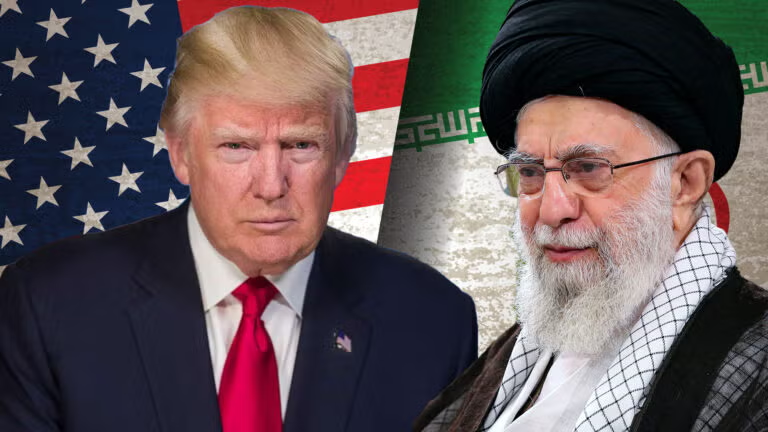
New Delhi: The situation in West Asia is no longer just a regional conflict — it is rapidly evolving into a global flashpoint. The ongoing tensions involving Iran, Israel, and the United States have reached a level where every new development is being watched closely by governments, investors, and ordinary citizens alike.
What makes this moment critical is not just the conflict itself, but the uncertainty surrounding what could happen next.
A Region on Edge: What’s Happening Right Now
The current phase of tensions has been marked by aggressive warnings, rising military preparedness, and a visible breakdown in diplomatic calm. While there has been no formal declaration of war, the intensity of developments suggests that the region is operating in a near-conflict environment.
All three key players — Iran, Israel, and the United States — appear to be maintaining a position of strength, which reduces the chances of immediate de-escalation. Instead, the situation remains highly fluid, with each move potentially triggering a reaction.
Why This Conflict Matters Beyond Borders
West Asia holds immense strategic importance because of its central role in global energy supply. Any instability here has an almost instant impact on oil prices, shipping routes, and global trade.
At the centre of this concern lies the Strait of Hormuz, a critical passage for global oil transport. Even the possibility of disruption is enough to send shockwaves across markets.
This is why the conflict is not just a geopolitical issue — it is an economic one as well.
From Tension to Economic Impact
Financial markets have already started reflecting the uncertainty.
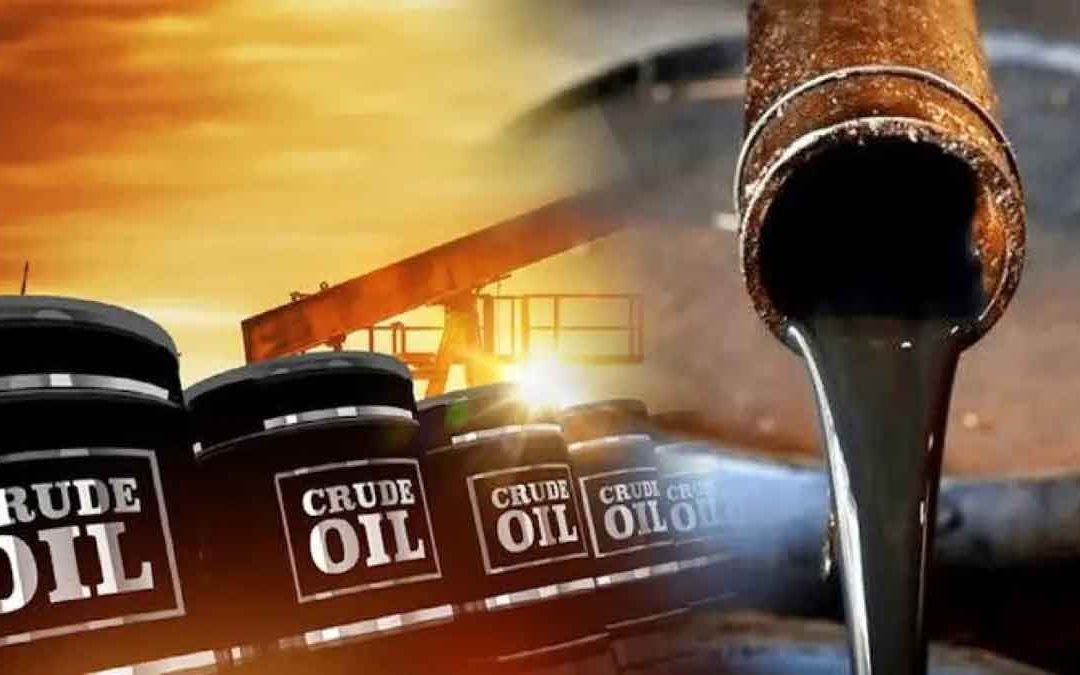
Investors are reacting quickly to headlines, leading to sharp swings in stock markets and commodities. Oil prices, in particular, have shown high volatility, as traders try to assess the risk of supply disruption.
For countries dependent on oil imports, the implications are significant. Rising crude prices can translate into higher inflation, increased fuel costs, and pressure on economic growth.
At the same time, any signs of easing tensions can reverse these effects just as quickly.
How It Affects Everyday Life
The impact of this conflict is not limited to governments or financial markets — it directly touches everyday lives.
If the situation escalates:
- Fuel prices could increase
- Transportation and logistics costs may rise
- Inflation could impact household budgets
In contrast, stability in the region could help ease these pressures. This direct link between geopolitics and daily expenses is what makes the situation particularly important for common people.
Understanding the Deeper Power Struggle
Beyond immediate events, the conflict reflects a broader struggle for influence in the region.
Iran has been expanding its strategic reach, while Israel continues to prioritize security through strong defense measures. The United States, with its long-standing involvement in the region, adds another layer of complexity.
This combination creates a delicate balance — one where even small developments can have large consequences.
What Are the Possible Scenarios?
At this stage, the future remains uncertain, but two broad scenarios are emerging.
The first is de-escalation, where diplomatic efforts manage to contain tensions and restore stability. This would likely bring relief to global markets and reduce economic pressure.
The second is escalation, where the conflict expands into a broader regional confrontation. This scenario carries serious risks, including sustained high oil prices and global economic disruption.
The outcome will depend largely on how key players act in the coming days.
Market Perspective: A Phase of High Volatility
From an investment point of view, the current environment is defined by uncertainty.
Markets are likely to remain highly sensitive to geopolitical developments. Sudden rallies and sharp corrections may become more frequent as news flows continue to influence sentiment.
For investors, this means focusing on risk management and avoiding decisions driven purely by short-term reactions.
Expert Insight: Why This Moment Is Different
What sets this situation apart is the level of global interconnectedness. Unlike earlier regional conflicts, today’s environment ensures that any disruption has immediate worldwide consequences.
Energy markets, financial systems, and supply chains are deeply linked. This makes the stakes significantly higher.
Experts believe that while a full-scale war is still avoidable, the margin for error has become very small.