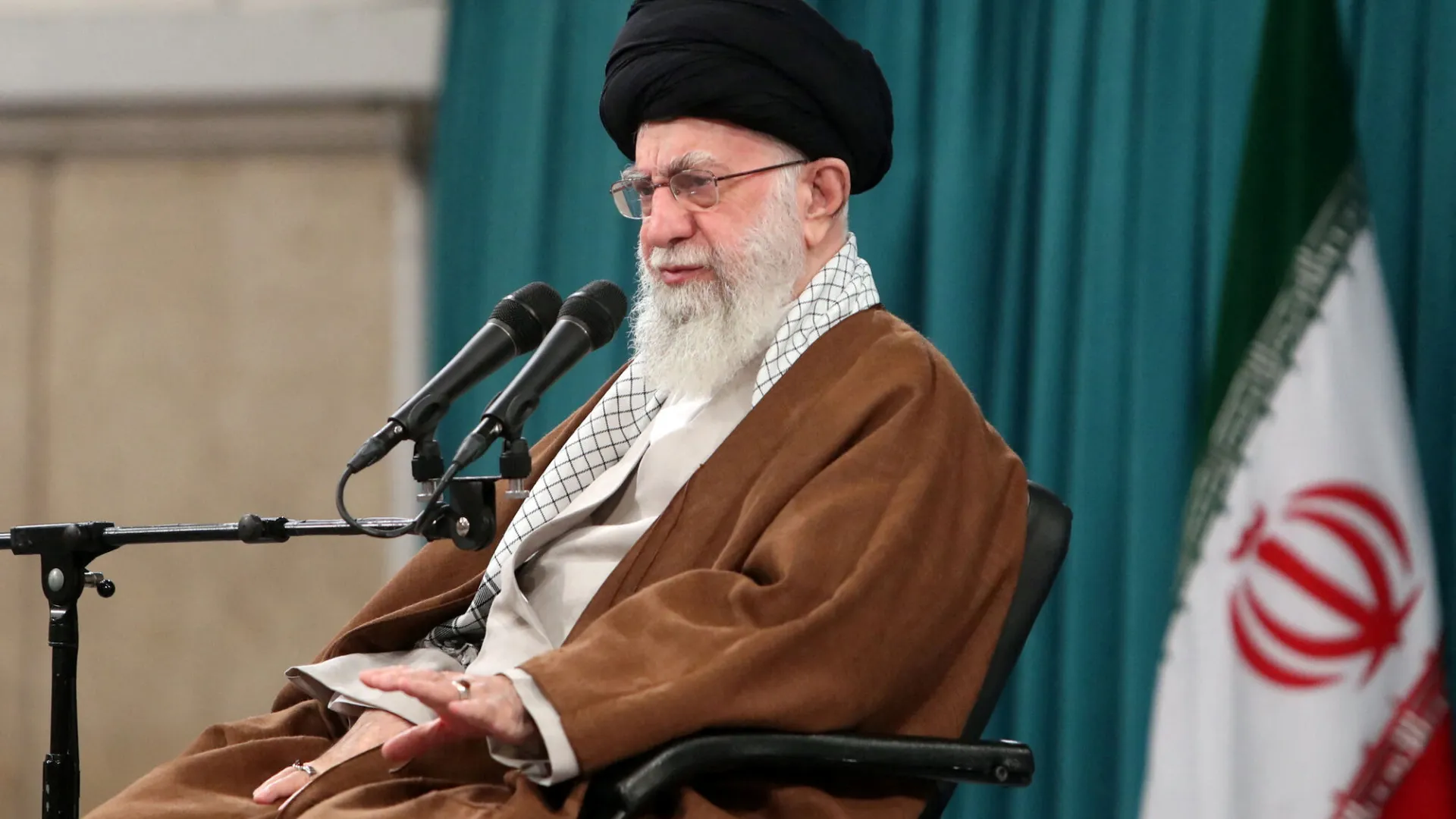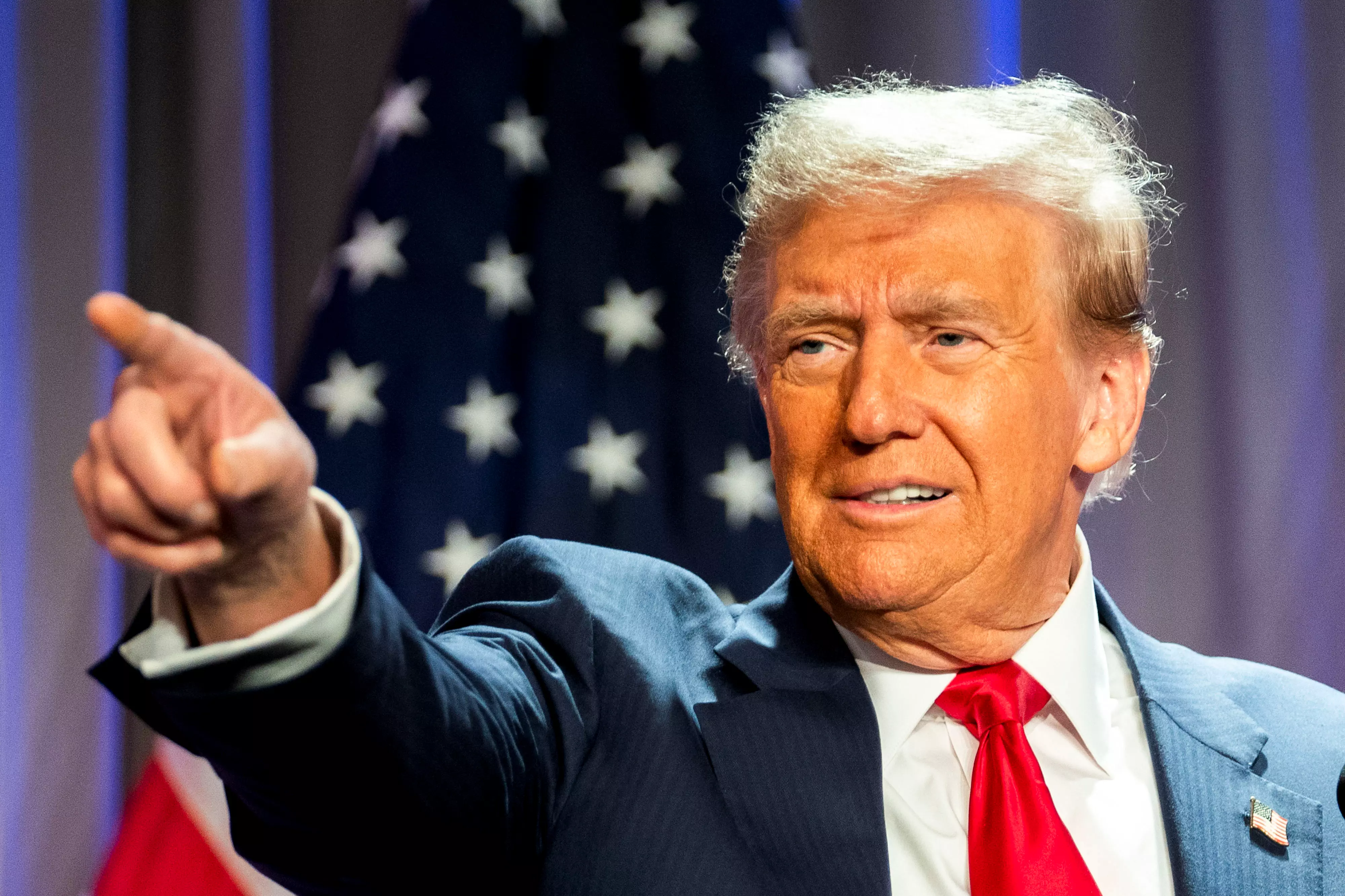

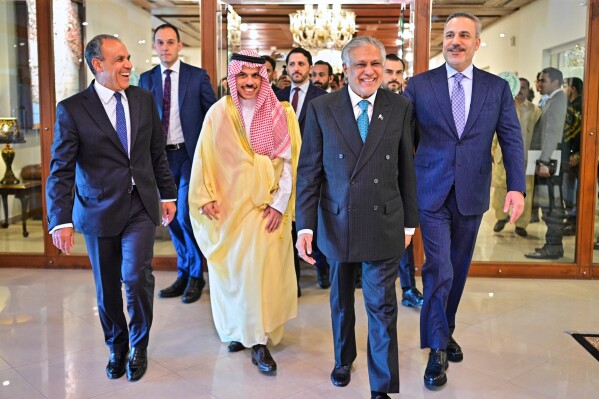
Iran's top delegation has landed in Islamabad for make-or-break peace talks with the US on April 11, 2026 even as the fragile two-week ceasefire wobbles, Lebanon burns under Israeli airstrikes, the Strait of Hormuz stays choked, and oil prices hover near $97 a barrel. Here is everything you need to understand about the most consequential 48 hours in modern Middle East history.
Two planes land in Islamabad and the whole world exhales
Islamabad, April 11, 2026 The night sky over Pakistan's capital was already thundering with fighter jets long before the planes arrived. The Pakistan Air Force had scrambled its JF-17s and F-16s to escort two passenger aircraft descending from Iranian airspace aircraft carrying the most consequential diplomatic delegation to travel in years. Iran's Parliament Speaker Mohammad Bagher Ghalibaf walked down the stairs first, followed closely by Foreign Minister Abbas Araghchi. Pakistani officials greeted them with embraces and bouquets of flowers. The delegation calls itself "Minab 168" a name that carries the weight of grief. It honours the 168 people, most of them children, killed when a school in southern Iran was struck on the very first day of the war.
That war began on February 28, 2026, when the United States and Israel launched coordinated airstrikes against Iran. In the 40 days since, the region has been torn apart in ways not seen in generations. Iran's Supreme Leader Ayatollah Ali Khamenei was killed on day one. Iranian missiles and drones have since struck US military bases in Bahrain, Kuwait, Qatar, Saudi Arabia and the UAE. The Strait of Hormuz — the narrow waterway through which roughly 20 percent of the world's traded oil once flowed — has been effectively shut down by Iran, with only a trickle of vessels making it through. Oil prices have climbed past $97 a barrel, inflation has spiked globally, and over 600 vessels remain stuck in the Persian Gulf waiting for passage that may not come.
Pakistan calls this a "make-or-break moment" and it isn't exaggerating
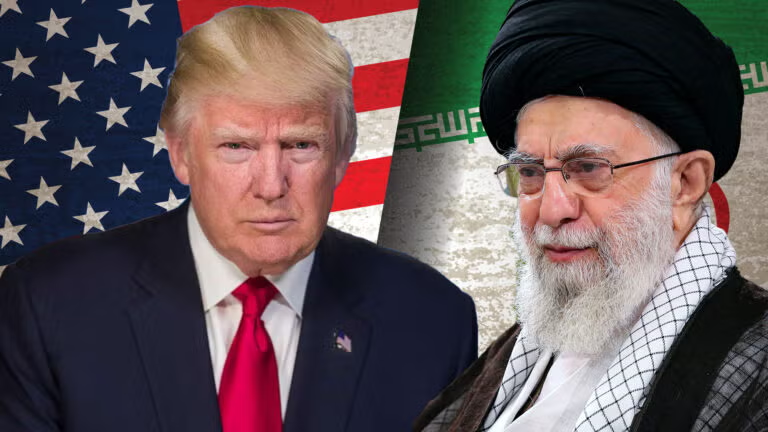
Prime Minister Shehbaz Sharif addressed his nation on Friday in a televised speech that felt more like a prayer than a political statement. "I ask all of you to pray that these talks are successful and countless lives are saved," he said. Pakistan brokered the two-week ceasefire announced on April 8 that finally halted 40 days of strikes a deal that Trump posted about on Truth Social, calling Iran's 10-point proposal "a workable basis on which to negotiate." Saturday's talks in Islamabad are the next chapter: a direct, face-to-face negotiation between the United States led by Vice President JD Vance, alongside envoys Steve Witkoff and Jared Kushner and an Iranian delegation carrying a 10-point peace plan that includes demands for sanctions relief, Iran's right to uranium enrichment, reparations for war damage, and crucially, Iran's claimed sovereignty over the Strait of Hormuz.
Lebanon is the landmine buried under the ceasefire
Here is the complication that nobody can talk around: even as US and Iranian delegations shake hands in Islamabad, Israel is still bombing Lebanon. The day the ceasefire was announced April 8 Israeli jets carried out one of the deadliest single days of strikes on Beirut in the entire war, killing over 300 people. Church bells rang across Lebanon the next morning as the country observed a national day of mourning. Israel insists the truce with Iran does not cover its fight with Hezbollah, the Iran-backed group operating in Lebanon. Prime Minister Benjamin Netanyahu said it plainly: "We still have objectives to complete, and we will achieve them, either through agreement or through renewed fighting."
Iran sees it differently. Parliament Speaker Ghalibaf told reporters upon landing in Islamabad: "We have good intentions but we do not trust." He added that Iran's experience of negotiating with Americans has "always been accompanied by failure and breaches of commitments." Tehran has made it clear the peace talks in Islamabad can only truly begin if Israel stops its attacks in Lebanon. The US and Israel have both rejected that as a precondition, creating a dangerous deadlock before negotiations have even formally started.
The Strait of Hormuz: Iran's most powerful card on the table
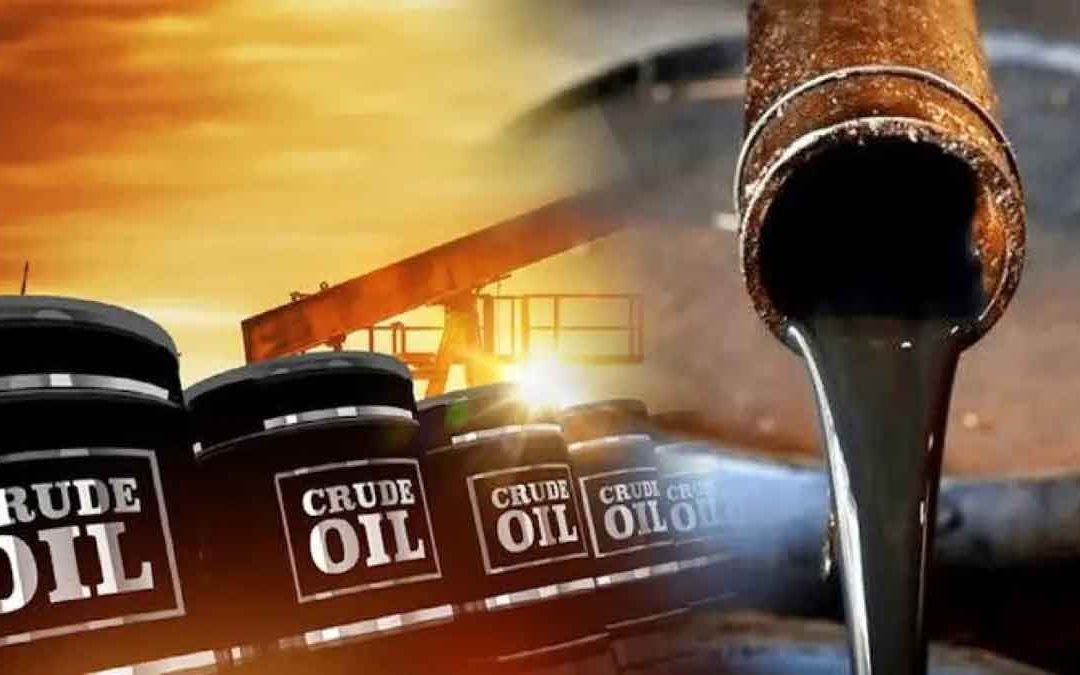
While diplomats argue in air-conditioned rooms, the Strait of Hormuz remains the real battlefield. Before the war, over 100 ships passed through daily. As of Friday, that number was in the single digits, with an estimated 600-plus vessels stranded in the Gulf. Iran has announced "alternative routes" for ships a polite way of saying that Tehran controls who moves and who does not. Oil prices have risen over 30 percent since the war started, and an Iowa farmer captured the global pain simply: farm diesel has gone from $1.89 a gallon in December to $4.17 today.
What happens if talks fail and what happens if they succeed
Trump has been unambiguous about the stakes: comply with the ceasefire or face "large-scale attacks." He posted cryptically on Truth Social on Friday "World's most powerful reset" before following it with a threat that Iran is "only alive today to negotiate." If Saturday's talks collapse, the region almost certainly returns to active war within days. If they succeed, a 45-day negotiating window could open covering nuclear dismantlement, sanctions relief, Strait of Hormuz access and the future of Lebanon. The IMF has already warned it will slash global growth forecasts because of the war's "scarring effects." For the world's energy markets, for the families hiding in Lebanese basements, and for the Iranian delegation named after 168 dead children the next 48 hours could not matter more.