
_1773902897.png)
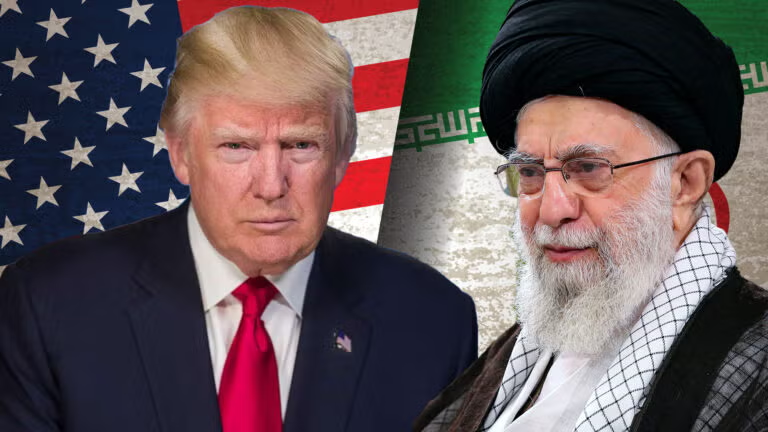
US President Donald Trump stated that Israel will halt further attacks on Iran’s South Pars gas field unless Iran targets Qatar again, following Tehran’s missile strike on Qatar’s LNG facility. The escalation marks a dangerous phase in the ongoing Middle East conflict, with global energy markets at risk.
US President Donald Trump announced that Israel will stop further attacks on Iran’s key South Pars gas field, unless Iran “unwisely decides” to strike Qatar again. This statement came after Iran launched a missile strike on Qatar’s LNG infrastructure, reportedly targeting the massive Ras Laffan gas complex — one of the world’s largest liquefied natural gas facilities. According to Trump, Israel’s earlier strike on Iran’s gas field was carried out independently, and neither the US nor Qatar was involved, clarifying geopolitical positioning amid rising tensions. The escalation follows a chain of retaliatory actions: Israel struck Iran’s South Pars gas field Iran retaliated by targeting Gulf energy infrastructure, including Qatar Trump intervened diplomatically to prevent further escalation
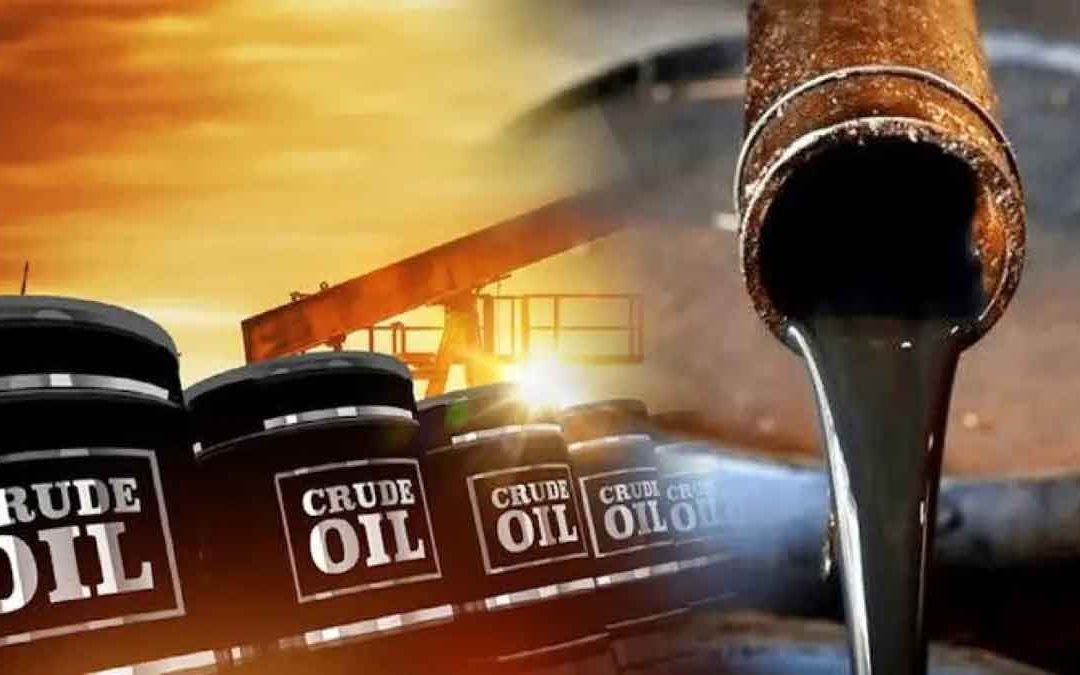
The conflict has now shifted toward direct attacks on critical energy infrastructure, raising global concerns. Iran has warned that any further strikes on its energy facilities will trigger widespread retaliation across the Gulf region. The South Pars field — the world’s largest natural gas reserve — plays a crucial role in global energy supply, contributing significantly to both Iran’s domestic gas production and global LNG exports. Key developments shaping the crisis: Qatar’s LNG plant suffered extensive damage, disrupting supply chains Nearly 20% of global LNG supply is at risk due to attacks on shared gas infrastructure Oil prices have surged amid fears of prolonged conflict and supply disruption Additionally, tensions around the Strait of Hormuz, a critical global oil transit route, have intensified, further threatening global energy security and trade flows.