
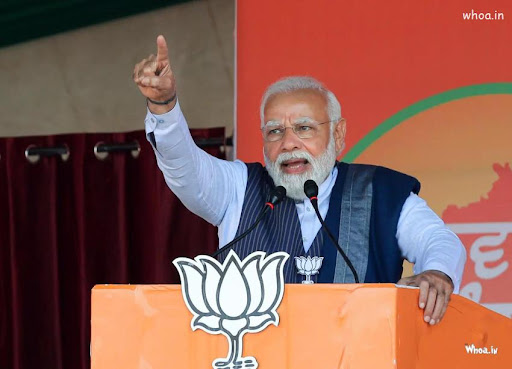
Prime Minister Narendra Modi will inaugurate Phase I of the Noida International Airport on March 28, marking a major milestone for India’s aviation infrastructure and boosting connectivity in the Delhi-NCR region.
India is set to witness a major leap in its aviation infrastructure as Prime Minister Narendra Modi prepares to inaugurate Phase I of the Noida International Airport on March 28. The project, located in Jewar in Uttar Pradesh, is being seen as a game-changing development not just for the Delhi-NCR region but for the country’s long-term aviation ambitions.
According to official details, the Prime Minister will first visit the airport site in Gautam Buddha Nagar and inspect the terminal building before formally inaugurating the facility around noon. He is also expected to address a large public gathering during the event.
The airport has been developed with an investment of approximately ₹11,200 crore under a public-private partnership model, making it one of the largest greenfield airport projects in India. In its first phase, it will be capable of handling around 12 million passengers annually, with expansion plans already in place to scale capacity up to 70 million passengers in the future.
This naturally raises an important question: why does India need another international airport in the NCR region? The answer lies in the growing pressure on Delhi’s existing aviation infrastructure. The Indira Gandhi International Airport has been operating near capacity for years, especially during peak travel seasons. The new Noida airport is expected to act as a second major gateway, easing congestion while improving passenger experience.
But the impact goes beyond just reducing crowding at airports. The Noida International Airport is designed to become a multi-modal transport hub, integrating road, rail, metro, and regional transit systems. This means travelers could soon experience smoother connectivity, shorter travel times, and better access to surrounding regions.
Another key question is what this means for the economy. Infrastructure projects of this scale often act as catalysts for regional growth. The airport is expected to boost real estate development, attract investment, and generate employment across western Uttar Pradesh and nearby regions. Businesses, logistics companies, and tourism sectors are all likely to benefit from improved connectivity.
There is also a broader strategic angle. India has been steadily working towards positioning itself as a global aviation hub. With rising passenger traffic and increasing international connectivity, expanding airport infrastructure has become essential. The addition of Noida International Airport strengthens India’s capacity to handle future demand while aligning with its long-term economic goals.
At the same time, preparations for the inauguration are being carried out on a massive scale. Authorities have been working round the clock to ensure that the event runs smoothly, with large crowds expected to attend. The launch is not just an infrastructure milestone but also a significant political and public event.
For travelers, the benefits will become more visible once operations begin. Better flight availability, reduced congestion, and potentially competitive fares are some of the expected outcomes. Airlines are also likely to expand routes, connecting more domestic and international destinations through the new hub.
As the countdown to March 28 begins, one thing is clear: the Noida International Airport is not just another airport project. It represents a shift in how India is preparing for the future of travel, connectivity, and economic growth.