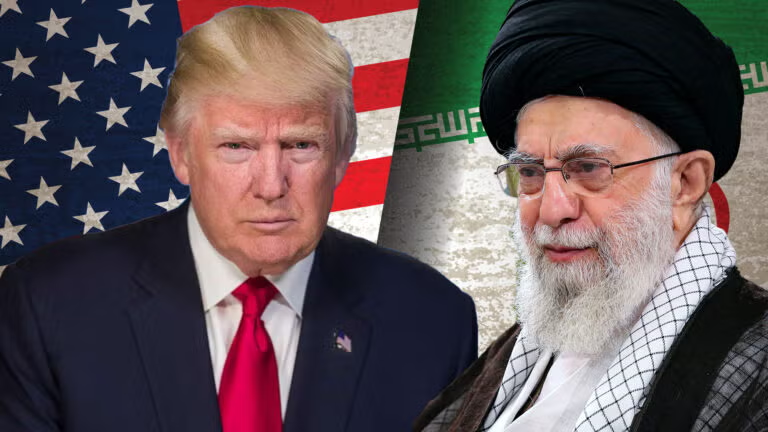

Fresh strikes on Iran’s nuclear-linked facilities, including heavy water and yellowcake plants, have raised global concerns. While Tehran says no radiation leak occurred, the conflict appears to be entering a more volatile phase.
In a fresh escalation in the ongoing Middle East crisis, Iran has confirmed that key nuclear-related facilities were hit in recent strikes, reportedly carried out by the United States and Israel.The development comes at a time when tensions are already running high, with both sides exchanging warnings of further action. Despite the scale of the attack, Iranian authorities have insisted that there has been no radiation leak a detail that may offer some immediate relief but does little to calm broader concerns.
According to Iranian state media, the strikes targeted two critical facilities a heavy-water plant and a yellowcake production unit. These sites play an important role in the early stages of nuclear fuel development.
Officials said the attacks did not result in casualties and posed no risk to nearby populations. The country’s atomic energy authorities emphasized that there was no release of radioactive material, calling the situation “under control.”
The strikes reportedly came shortly after Israel signaled plans to intensify its military operations. The broader conflict, which has been unfolding over weeks, has already seen multiple rounds of attacks on military and infrastructure targets across the region.
This is not the first time nuclear-linked sites have been targeted in the current conflict. Earlier incidents also raised alarms about the risks of hitting sensitive installations, though so far, no major nuclear contamination has been reported.
Why This Matters
Even without a radiation leak, strikes on nuclear-related facilities carry serious global implications.
Such attacks increase the risk of accidental contamination and could trigger wider international involvement. Experts have repeatedly warned that any damage to nuclear infrastructure even indirect could lead to long-term environmental and geopolitical consequences.
At the same time, the move signals a clear shift: the conflict is no longer limited to conventional military targets but is now touching sensitive strategic assets.
What Happens Next
The situation now appears to be at a critical juncture. Iran has previously warned of retaliation, and further escalation cannot be ruled out.
Diplomatic efforts are still underway, but with each new strike, the chances of a peaceful resolution seem to narrow. Global powers are likely to increase pressure for restraint, especially given the risks tied to nuclear facilities.
If attacks continue at this level, the conflict could spill beyond the region, affecting energy markets, security alliances, and civilian populations.
While the absence of a radiation leak is a relief, targeting nuclear-linked sites feels like crossing a line that could make future de-escalation far more difficult.