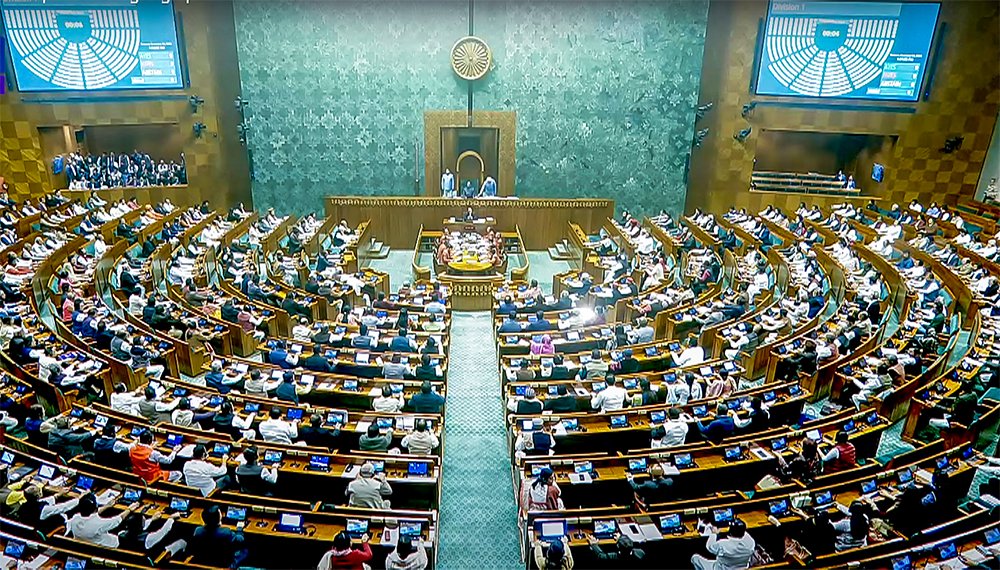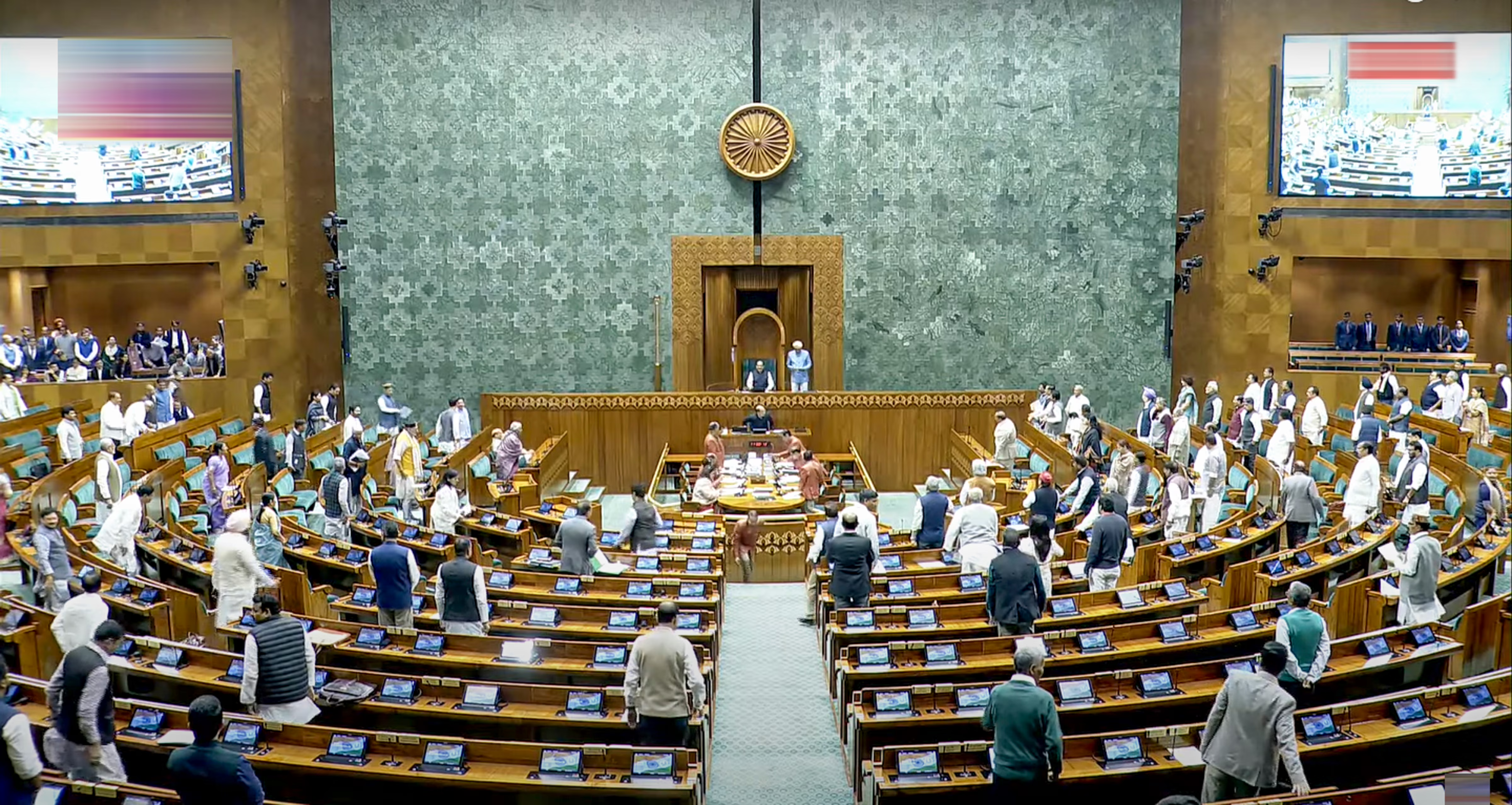

In a major shift for India’s financial system, the Lok Sabha has passed the IBC Amendment Bill 2025, introducing creditor-driven insolvency reforms, faster timelines, and new mechanisms to tackle delays in resolving stressed assets.
In a significant move aimed at reshaping India’s insolvency framework, the Lok Sabha on Monday passed the Insolvency and Bankruptcy Code (Amendment) Bill, 2025. The reform is being seen as a decisive step to fix long-standing delays and improve recovery for lenders.
The new law introduces a creditor-driven approach, allowing financial creditors to initiate insolvency proceedings with greater control—reducing dependence on lengthy court processes. This marks a shift from the earlier system where cases often got stuck in procedural bottlenecks.
Officials said the amendments are based on years of experience with the Insolvency and Bankruptcy Code (IBC), which was first introduced in 2016 to clean up bad loans and bring discipline to the banking system. Over time, however, delays at tribunals and legal disputes slowed down resolutions.
The new bill attempts to fix this by setting stricter timelines. For instance, insolvency applications must be admitted quickly, and resolution plans are expected to be cleared within defined deadlines.
Another key feature is the introduction of an out-of-court resolution framework, especially for smaller companies. This allows creditors and borrowers to negotiate settlements without immediately entering formal insolvency proceedings.
The government has also proposed provisions for handling group insolvency and cross-border cases—areas that were previously unclear under Indian law. These changes aim to align India with global best practices and improve investor confidence.
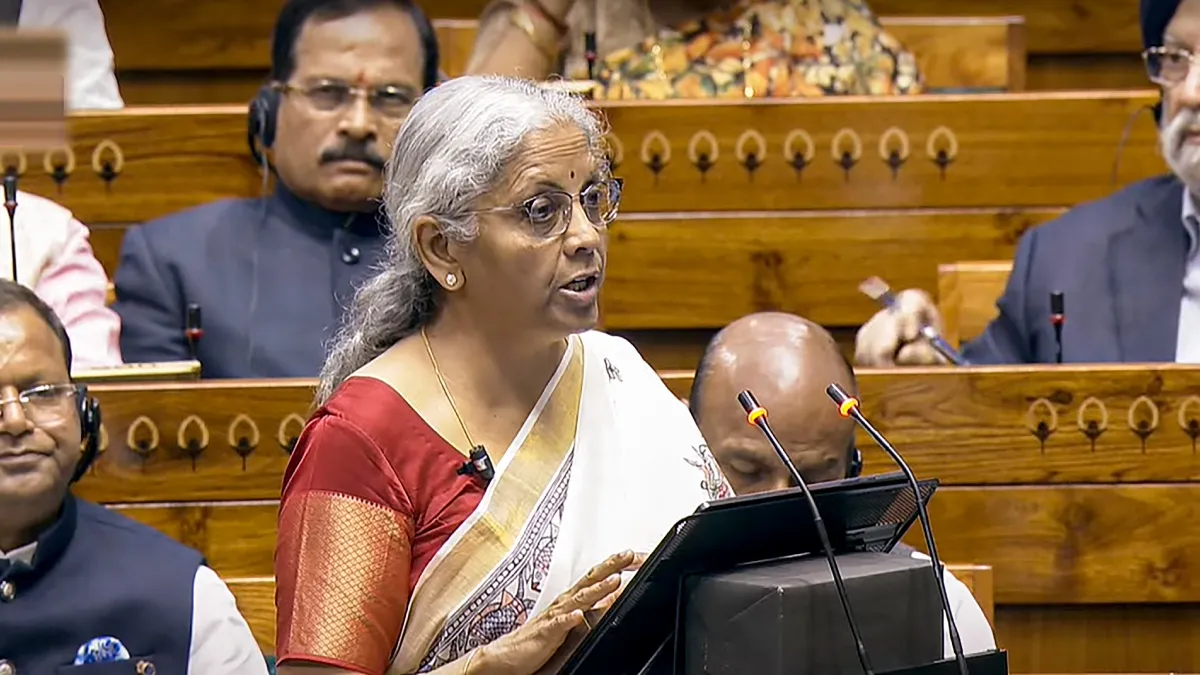
Finance Minister Nirmala Sitharaman highlighted that the reform builds on the success of the original IBC while addressing practical challenges faced over the years.
One of the biggest triggers behind this overhaul is the mounting backlog of cases. Data suggests that tens of thousands of insolvency cases remain pending, with some taking years to resolve—far beyond the intended timelines.
The new creditor-led model is expected to ease pressure on tribunals like the National Company Law Tribunal (NCLT), which has struggled with heavy caseloads. By allowing early-stage resolutions outside the courtroom, the system could become faster and more efficient.
The bill also strengthens the role of lenders during the resolution process. While existing management may continue running the company in some cases, creditors will have tighter oversight—ensuring better accountability and reducing value erosion.
Another important reform is the introduction of penalties for unnecessary litigation, which has been a major cause of delays in the past. By discouraging frivolous legal challenges, the government hopes to speed up decision-making.
For businesses, especially MSMEs, the changes could bring relief. Easier and faster resolution mechanisms may help struggling firms recover instead of collapsing under prolonged legal battles.
However, the bill has also sparked debate. Some critics argue that giving more power to creditors could tilt the balance against smaller borrowers. Others believe the reforms are necessary to restore confidence in India’s financial system.