
US exports to the Middle East are facing severe disruption as war-driven shipping halts, rising oil prices, and logistical chaos leave containers stranded and trade routes uncertain.
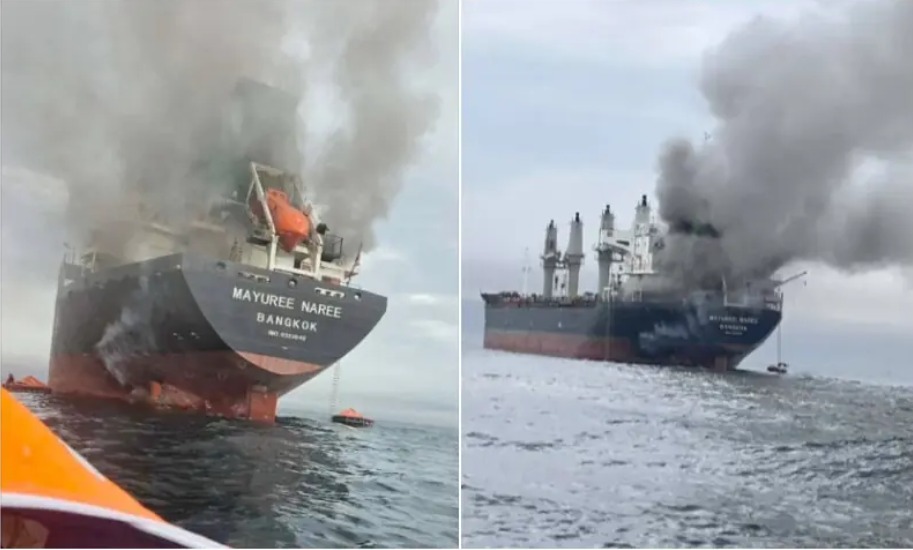
The ongoing geopolitical conflict in the Middle East has triggered a massive disruption in global trade, leaving US exporters struggling to track shipments and fulfill contracts. Ocean carriers have suspended nearly all services to key Gulf destinations, forcing cargo to be rerouted or abandoned at unknown ports. This disruption stems largely from escalating tensions linked to the 2026 Iran war, which has severely impacted maritime safety across the region. Critical trade routes, especially through the Strait of Hormuz—responsible for nearly 20% of global oil flows—have become high-risk zones, causing shipping companies to halt operations entirely. Exporters are now facing mounting uncertainty, with containers stuck mid-transit and delivery timelines collapsing. Logistics providers report rising confusion over cargo destinations, leading to additional operational costs, delays, and customer dissatisfaction.
While the current situation is being described as a logistical disruption rather than a full-blown trade crisis, experts warn that prolonged conflict could trigger deeper economic consequences. Rising oil prices and fuel surcharges are already increasing shipping costs globally, adding pressure on exporters and supply chains. The war has also caused a broader ripple effect across industries, including aviation shutdowns, port congestion, and supply chain instability. If the conflict continues, global trade patterns may shift permanently, with cargo potentially being diverted away from Middle Eastern hubs to alternative routes in Asia. Moreover, the surge in energy prices due to disrupted oil and gas supplies is expected to fuel inflation and weaken global economic growth. Analysts suggest that a prolonged disruption could impact everything from manufacturing costs to consumer prices worldwide.