
The Reserve Bank of India has capped banks’ forex exposure at $100 million, forcing lenders to unwind large positions quickly as the central bank steps in to stabilise the rupee.
Mumbai: A late-evening move by the Reserve Bank of India (RBI) has set off a scramble across treasury desks, with banks rushing to scale down their foreign exchange positions before the new limit kicks in.
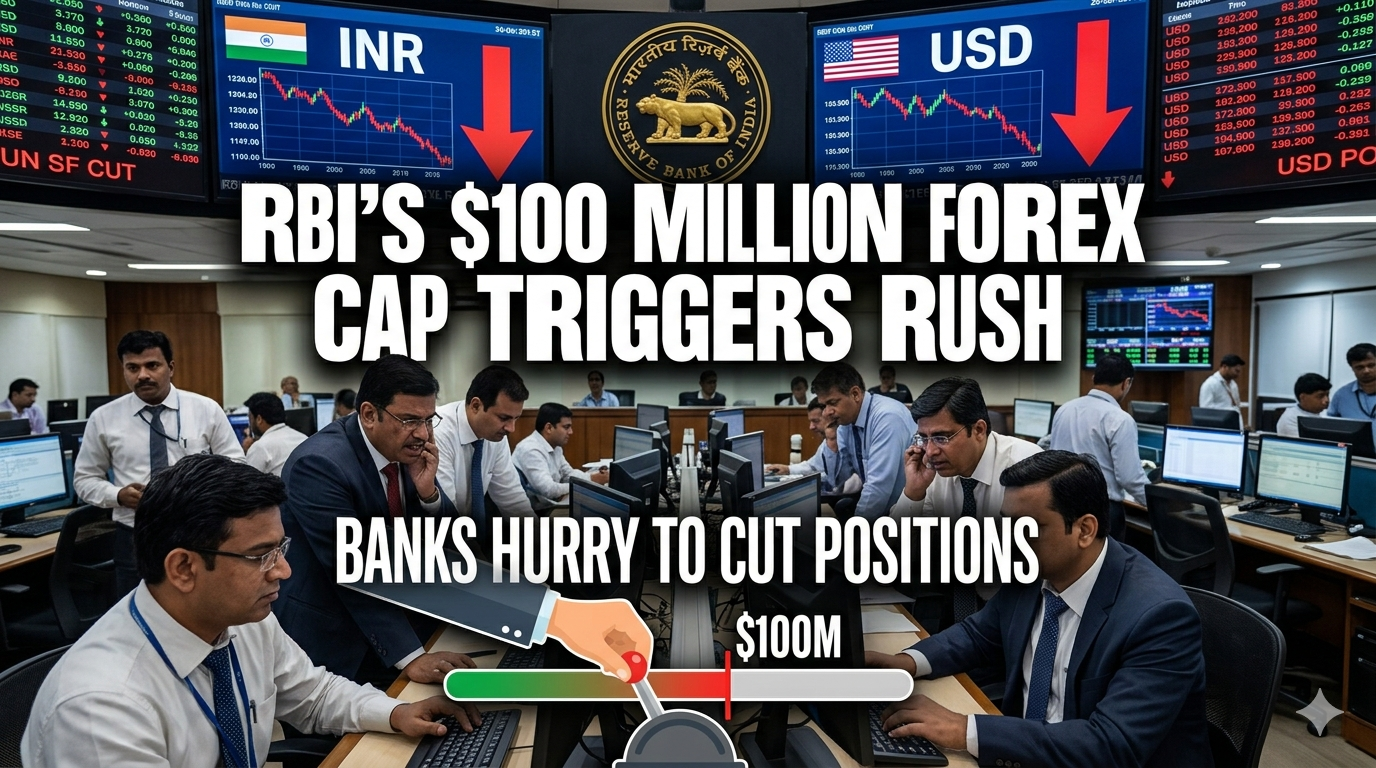
The central bank has directed lenders to cap their net open positions in the rupee at $100 million by the end of each trading day, a sharp shift from earlier rules that allowed much larger exposures linked to bank capital. The new norm will come into effect from April 10.
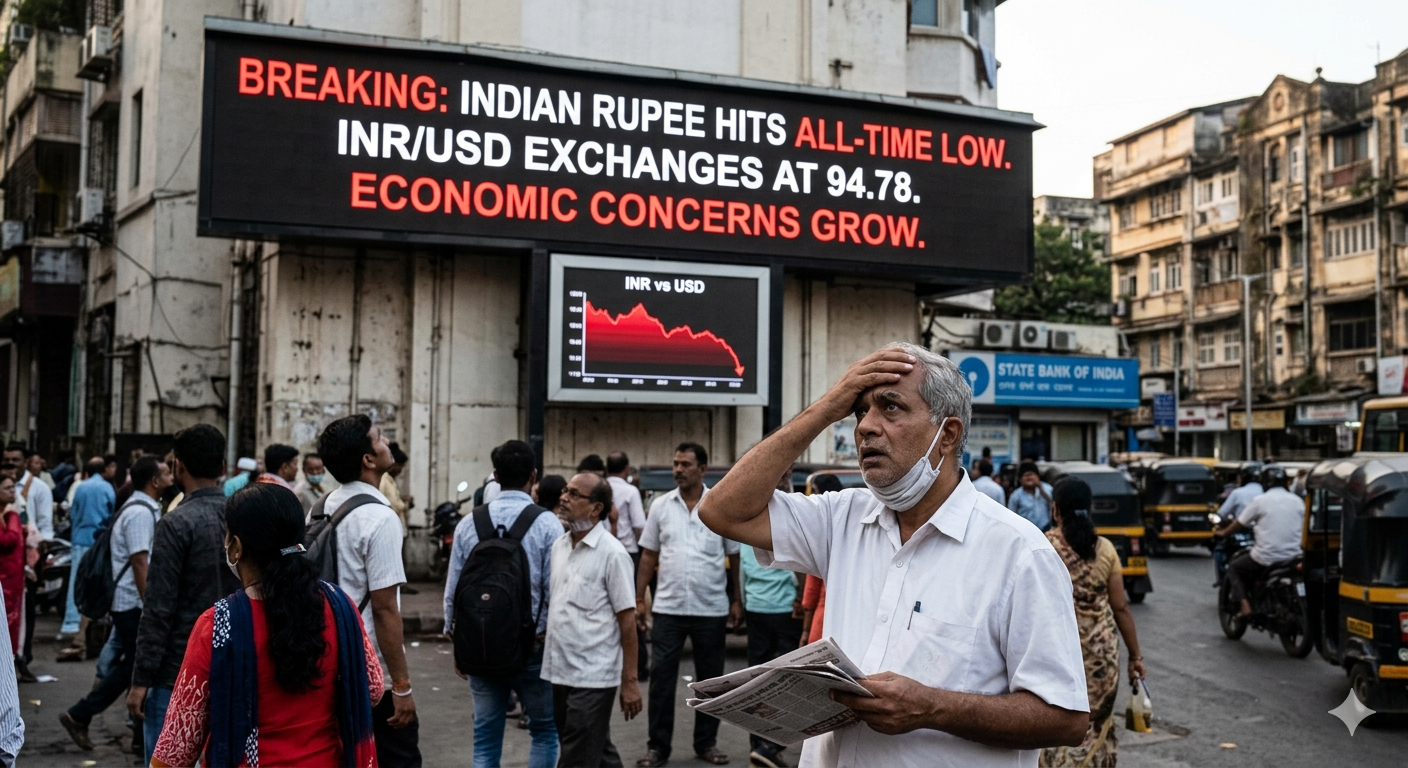
The timing of the move is significant. The rupee has been under sustained pressure, slipping to record lows amid rising oil prices and heavy foreign outflows.
What has caught banks off guard is the speed of implementation. Many lenders currently hold positions far above the new cap, built through trades between domestic and offshore currency markets. As a result, they now have little choice but to unwind these bets often by selling dollars and buying rupees.
What exactly has changed
Daily forex exposure for banks capped at $100 million
Deadline for compliance: April 10
Earlier system allowed limits up to a percentage of capital
Why banks are rushing now
Large existing positions need to be reduced quickly
Unwinding trades may lead to mark-to-market losses
Arbitrage trades between offshore and onshore markets are being cut
Estimates suggest that tens of billions of dollars worth of positions could be unwound in the coming days, creating sharp moves in the currency market.
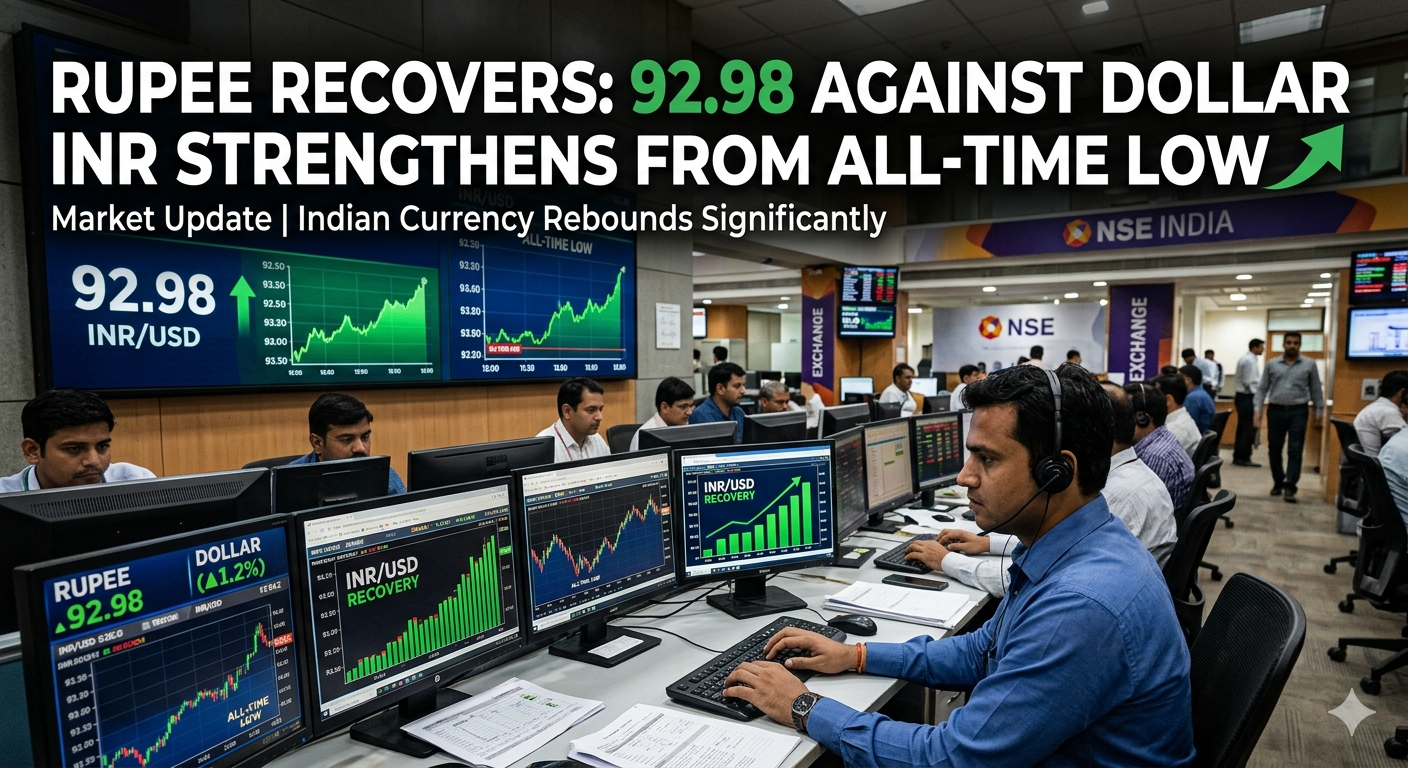
The RBI’s intent is clear: reduce speculative bets and stabilise the rupee. Early market reaction reflects that. The rupee has already shown signs of recovery as banks begin selling dollars to comply with the rule.
However, the adjustment may not be smooth. Bankers have sought more time from the RBI, warning that a rushed exit could lead to losses and volatility in the short term.
For now, the focus remains on how quickly banks can rebalance their books without disturbing the market further.