
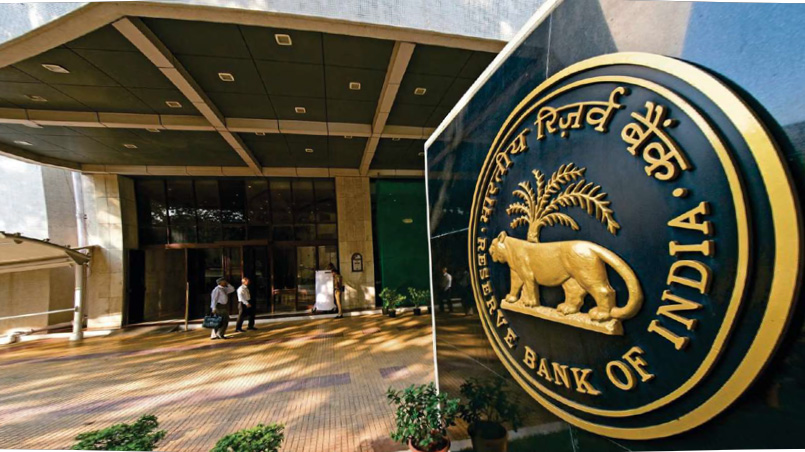
The Reserve Bank of India has kept the repo rate unchanged at 5.25% in its April policy meeting, maintaining a neutral stance. Governor Sanjay Malhotra indicated that while inflation is under control, rising global uncertainties are forcing the central bank to remain cautious.
Mumbai: The Reserve Bank of India on Tuesday chose to stay on the sidelines, keeping its key lending rate unchanged, as policymakers weighed stable domestic conditions against rising global uncertainty.
Announcing the outcome of the April Monetary Policy Committee meeting, Governor Sanjay Malhotra said the repo rate will remain at 5.25%, while the central bank continues with a neutral policy stance. The decision reflects a calibrated approach at a time when inflation appears manageable, but external risks are beginning to intensify.
The central bank’s tone suggested caution rather than comfort. While retail inflation has shown signs of easing in recent months, policymakers remain wary of sudden shocks, especially from volatile crude oil prices and geopolitical tensions that could disrupt supply chains and push prices higher.
A neutral stance, in this context, gives the RBI flexibility. It neither commits to rate cuts nor signals hikes, allowing the central bank to respond quickly to changing economic data. Officials indicated that future decisions will remain data-driven, with inflation trends and global developments taking centre stage.
Governor Malhotra also acknowledged that India’s growth momentum remains intact, though risks from the global environment cannot be ignored. The economy is expected to expand at a steady pace, supported by domestic demand, even as external headwinds persist.
For borrowers, the policy decision brings short-term stability, as lending rates are unlikely to rise immediately. However, the absence of a rate cut also means that hopes of cheaper loans may have to wait.
Market participants interpreted the policy as a sign of stability rather than stimulus. The RBI, for now, appears focused on preserving macroeconomic balance instead of pushing aggressive growth measures.
The coming months will be crucial. Much will depend on how inflation behaves and whether global tensions ease or escalate. For now, the message from the central bank is clear stay cautious, stay prepared, and watch the data closely.