
India’s inflation could rise to 4.5% in FY27 due to increasing fuel and energy costs, according to a recent report. Higher oil prices and changes in the inflation basket are expected to amplify the impact on consumers.
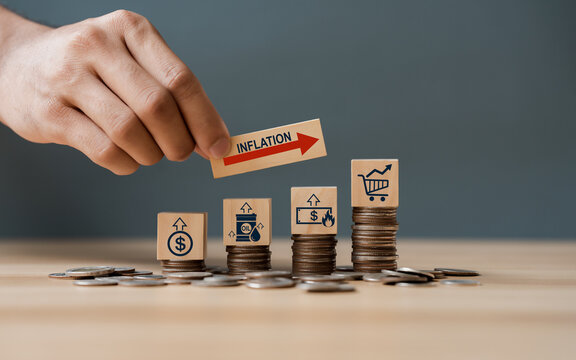
India’s inflation outlook is once again under the spotlight as rising global energy prices threaten to push consumer prices higher in the coming financial year. A recent report suggests that inflation could rise to around 4.5% in FY27, driven largely by fuel and energy costs.
But what does this really mean for the economy and for everyday consumers?
Why is inflation expected to rise?
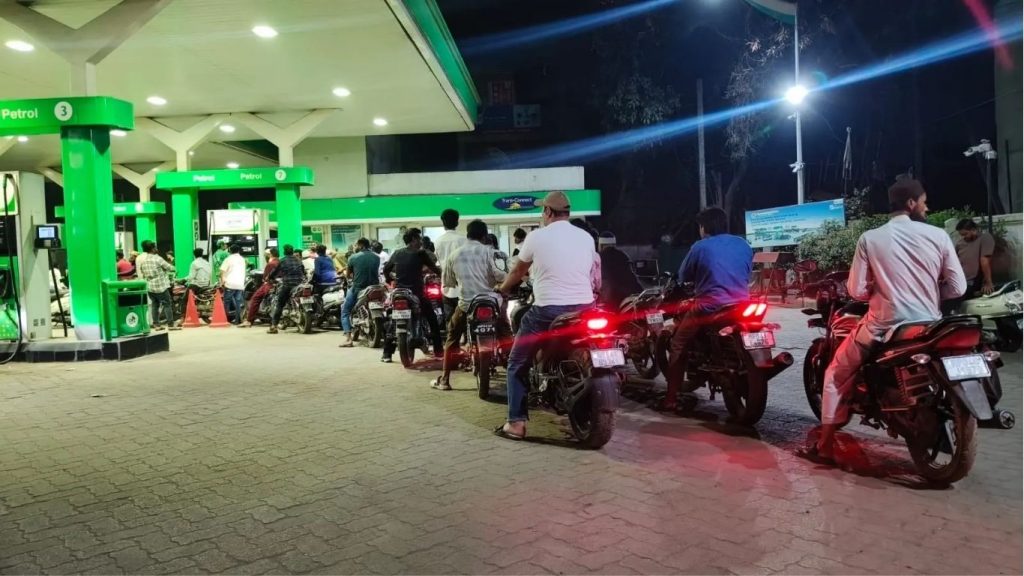
The biggest factor behind the projected increase is the growing influence of fuel prices on the economy. Petrol, diesel, and LPG now carry a higher weight in the inflation basket, meaning any increase in energy costs directly impacts overall inflation.
How much does crude oil affect India’s inflation?
Even a $10 increase in crude oil prices can push inflation up by nearly 0.5%, showing how sensitive India is to global energy markets.
How will this affect your daily life?
Rising energy prices don’t just increase fuel bills—they impact almost everything. Transportation becomes expensive, production costs rise, and businesses pass on these costs to consumers.
Will everyday expenses increase?
Yes. You may see higher prices in:
- Groceries
- Transport (cab fares, logistics)
- Electricity bills
- Packaged goods
Key Highlights You Should Know
- Inflation may reach 4.5% in FY27
- Fuel prices are now a bigger part of CPI
- Global oil trends directly impact India
- Transportation and goods will become costlier
- Inflation still remains within RBI’s 2–6% range
What are experts saying?
Economists believe that while the rise is notable, it is not alarming yet. India’s inflation will likely remain within the central bank’s tolerance band, but sustained high oil prices could create long-term pressure.
Is this inflation level dangerous?
Not immediately. But if energy prices stay high for a long period, it could slow consumption and affect economic growth.What should you expect next?
The future of inflation in India will depend heavily on global oil prices and geopolitical stability. If tensions ease, inflation could stabilize. But if energy costs continue rising, the pressure on households may increase.
What can reduce inflation pressure?
- Stable global oil prices
- Government tax adjustments on fuel
- Strong domestic supply chains