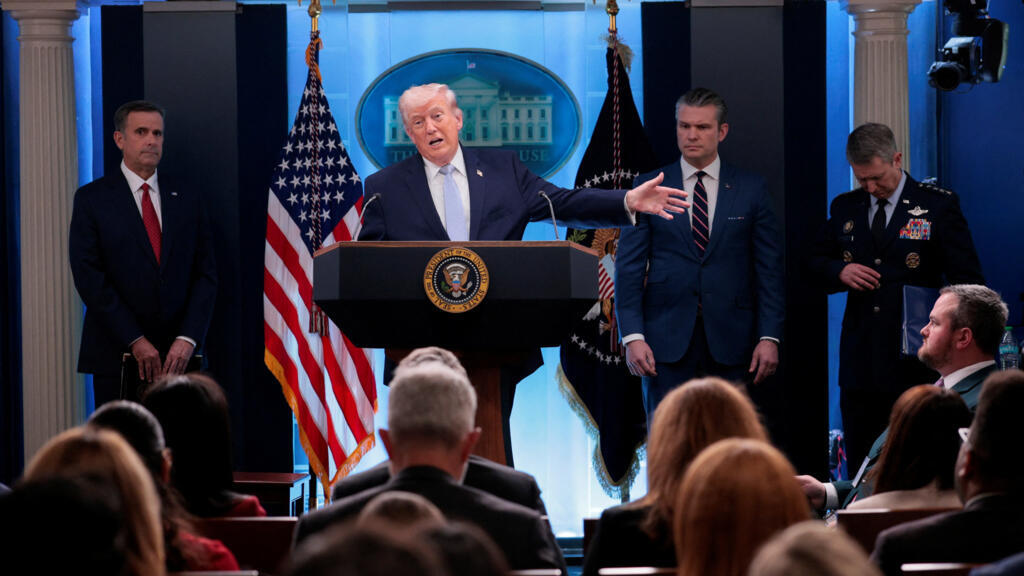

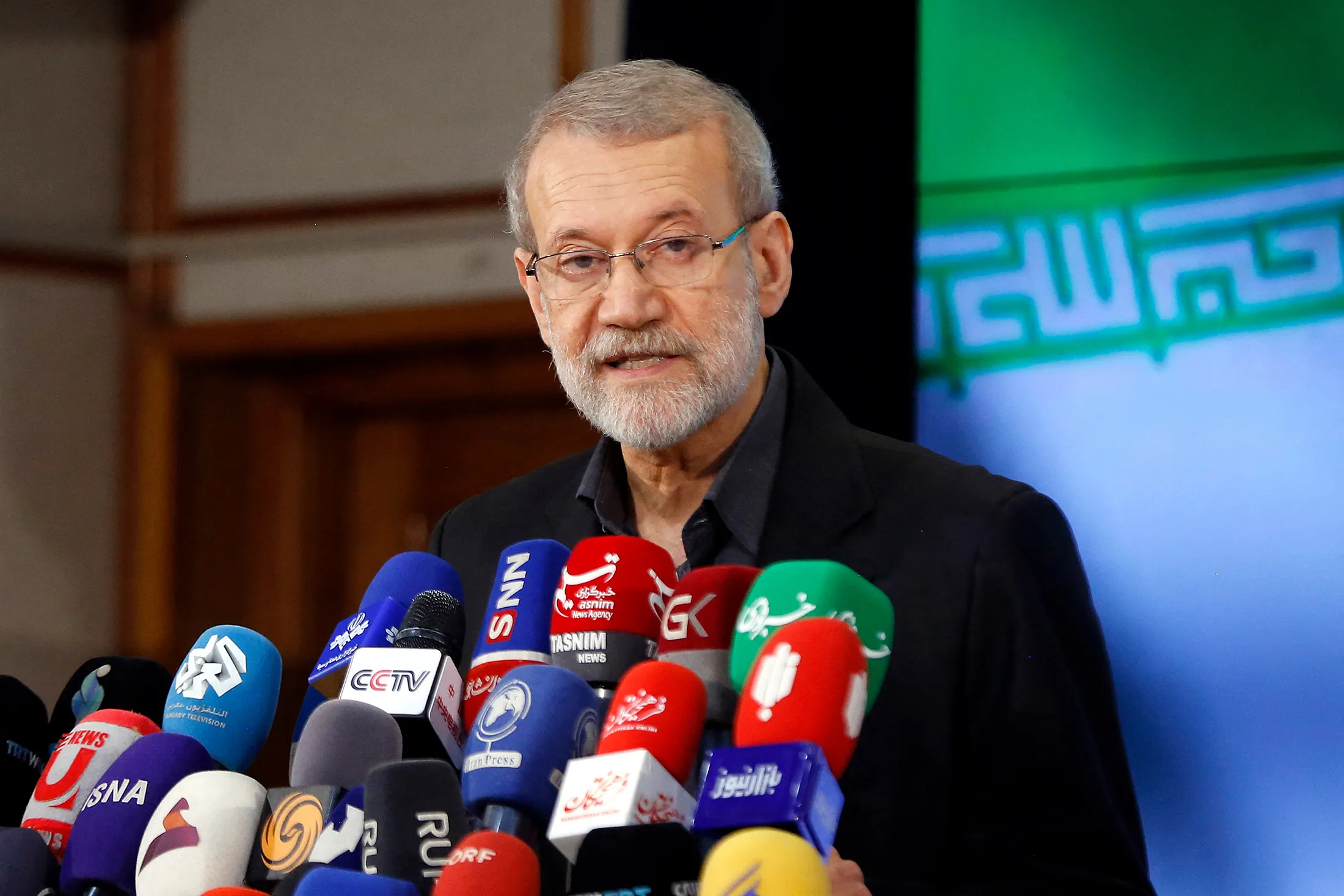
Iran’s new leadership has taken a strong stance against peace negotiations, signaling a prolonged conflict with the United States and Israel amid rising global tensions.
Iran has intensified its position in the ongoing geopolitical conflict by firmly rejecting calls for peace talks with the United States and Israel. The country’s new Supreme Leader has declared that this is not the appropriate time for negotiations, emphasizing instead the need for strategic resistance and military preparedness. This development comes at a time when diplomatic channels were actively attempting to de-escalate tensions in the Middle East. However, Iran’s leadership has made it clear that any discussion of peace would only be considered after achieving significant outcomes on the battlefield.
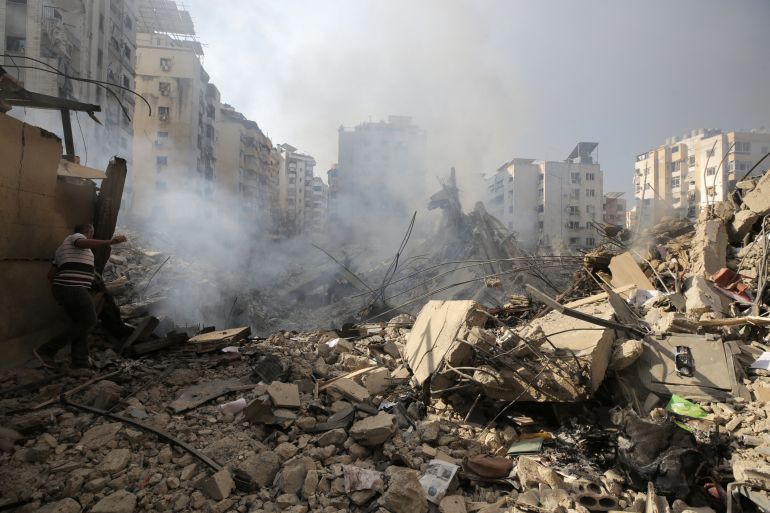
The conflict has already led to increased military activity across the region, including missile strikes, drone attacks, and targeted operations. Global concerns are growing as the situation threatens to disrupt oil supply routes, particularly through the Strait of Hormuz, a critical passage for international energy trade. Experts warn that continued escalation could have far-reaching consequences, impacting global markets, regional stability, and international relations. With both sides maintaining aggressive positions, the possibility of a prolonged and wider conflict remains high.