

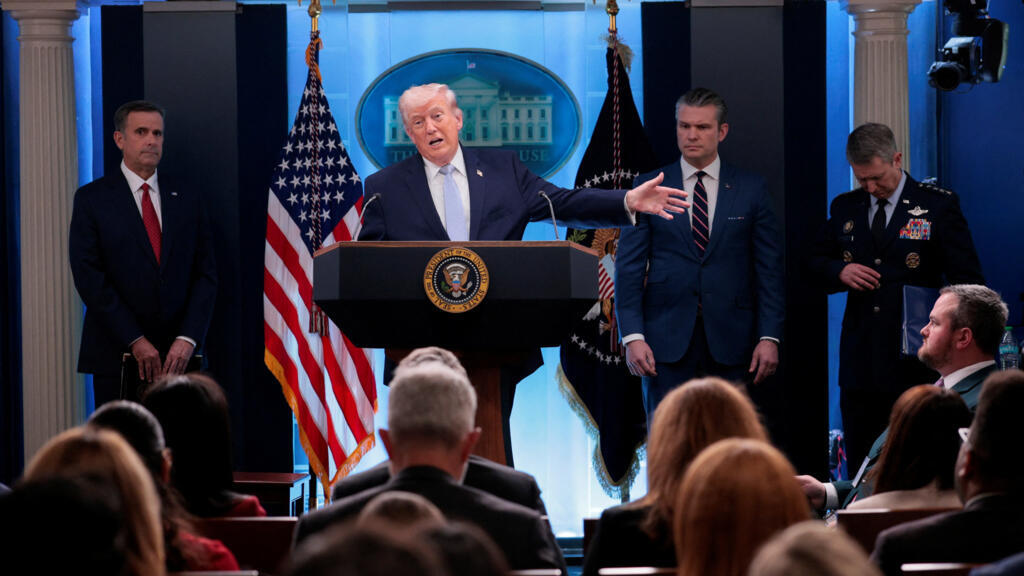
US President Donald Trump has issued a final ultimatum to Iran, setting a strict deadline of Tuesday, 8 PM Eastern Time, to reopen the Strait of Hormuz and agree to US conditions. Failure to comply could trigger large-scale strikes on Iranian infrastructure, escalating global tensions.
The United States–Iran conflict has reached a decisive and dangerous moment after US President Donald Trump issued a clear and time-bound ultimatum during a White House briefing on April 6. Unlike earlier warnings, this time the message came with precision: Iran has until Tuesday, 8:00 PM Eastern Time to comply with US demands or face severe military consequences.
This deadline is not sudden. It is the result of multiple extensions over the past two weeks. Initially framed as a 48-hour ultimatum, the timeline was extended to five days and then to ten days at Iran’s request. However, Trump has now made it clear that no further extensions will be granted, calling this the “final deadline.”
At the heart of the conflict lies the strategically critical Strait of Hormuz, a global oil lifeline. The US has demanded that Iran fully reopen this route and agree to restrictions on its nuclear program. Trump has repeatedly stated that failure to meet these conditions will result in direct attacks on Iran’s infrastructure, including power plants, bridges, and energy facilities.
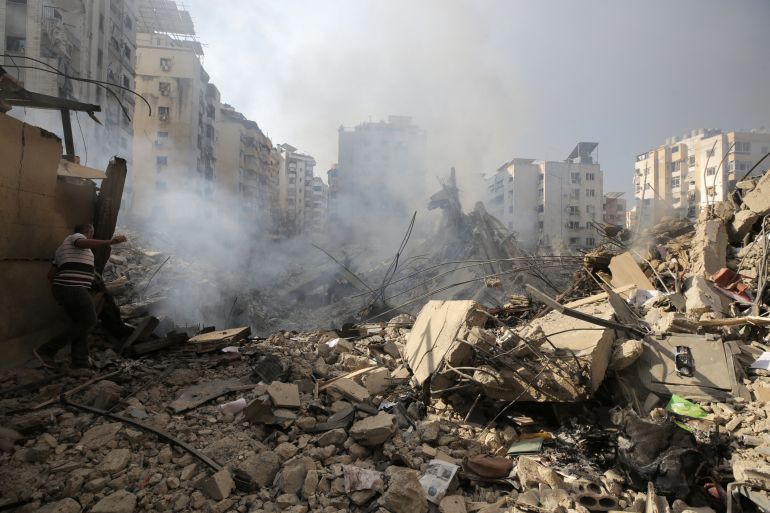
What has raised global alarm is the scale and nature of the threat. According to statements from the briefing, the US is prepared for large-scale bombing of key infrastructure if Iran fails to act before the deadline. This marks a significant escalation from diplomatic pressure to potential full-scale military action.
The situation is further complicated by Iran’s response. Tehran has rejected short-term ceasefire proposals and instead pushed for a broader, long-term agreement that includes sanctions relief and security guarantees. This mismatch in expectations has stalled negotiations at a critical moment.
Meanwhile, tensions on the ground continue to rise. The US has highlighted recent military operations, including the rescue of American pilots, as a demonstration of its operational readiness. At the same time, regional conflict involving allies has intensified, increasing the risk of a wider war.
From a global perspective, the stakes are extremely high. The Strait of Hormuz handles a major portion of the world’s oil supply, and any disruption could trigger a sharp spike in energy prices and economic instability worldwide.
The coming hours are now crucial. With a fixed deadline Tuesday, 8 PM ET and no indication of compromise from either side, the conflict appears to be approaching a tipping point.



_1775073585.webp)