

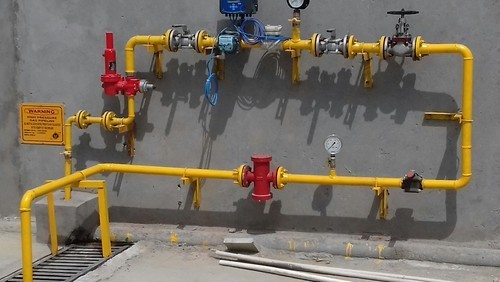
With rising LPG costs and a push for cleaner fuel, more households are considering PNG connections. Here’s a simple breakdown of costs, eligibility, and step-by-step application process.
For many households, the idea of moving away from LPG cylinders is no longer just about convenience—it’s becoming a practical choice. Piped Natural Gas (PNG), which is supplied directly to homes through pipelines, is slowly gaining traction across urban India.
The biggest advantage is consistency. Unlike LPG cylinders that need booking and delivery, PNG offers a continuous supply. There’s no need to track refill dates or worry about running out mid-cooking. It also reduces storage concerns, as there are no cylinders inside the house.
Cost is another factor driving interest. While the initial setup involves a one-time deposit and installation charges, monthly billing is based on actual usage. Over time, many users find it more predictable compared to fluctuating LPG refill costs.
From a safety perspective, PNG systems are designed with built-in regulators and monitoring systems. Since the gas is lighter than air, it disperses quickly in case of leakage, reducing risk.
However, availability remains a key limitation. Not all areas are covered yet, and connections depend on whether pipeline infrastructure has reached your locality. Even within cities, some societies may still be waiting for network expansion.
Experts say the shift toward PNG is part of a larger push toward cleaner and more efficient energy use. For households already covered under city gas networks, the transition is becoming easier and faster than before.
Getting a PNG connection is fairly straightforward, but only if your area is covered under a city gas network.
Who Can Apply?
- Homeowners in covered areas
- Tenants (with owner’s permission)
- Societies with pipeline access
How to Apply for PNG Connection
Step 1: Check Availability
Visit your local gas provider’s website or office to confirm if PNG service is active in your area.
Step 2: Fill Application Form
Apply online or offline with basic details like name, address, and contact information.
Step 3: Submit Documents
You’ll need:
- ID proof (Aadhaar/PAN)
- Address proof
- Property papers or rent agreement
- NOC (if rented house)
Step 4: Feasibility Check
Company officials inspect whether pipeline installation is possible in your building.
Step 5: Pay Charges
- Security deposit
- Installation charges
(Total usually around ₹5,000–₹6,000 depending on provider)
Step 6: Installation Work
Technicians install pipelines, meter, and connect your kitchen.
Step 7: Gas Supply Starts
Once setup is complete, PNG supply begins and billing is based on usage.
Timeline & What to Expect
- Approval: Few days to 1 week
- Installation: 2–6 weeks (depends on area)
- Delays possible if infrastructure is incomplete
What Most People Don’t Know
- Some companies allow EMI for connection cost
- Societies may get faster approval if multiple homes apply together
- Minor kitchen changes may be require